

 English
 Français
01
Eat Like the Region
Food is one of the easiest ways to understand regional identity. Build time for local dishes and ask what is prepared fresh rather than limiting meals to international hotel menus.
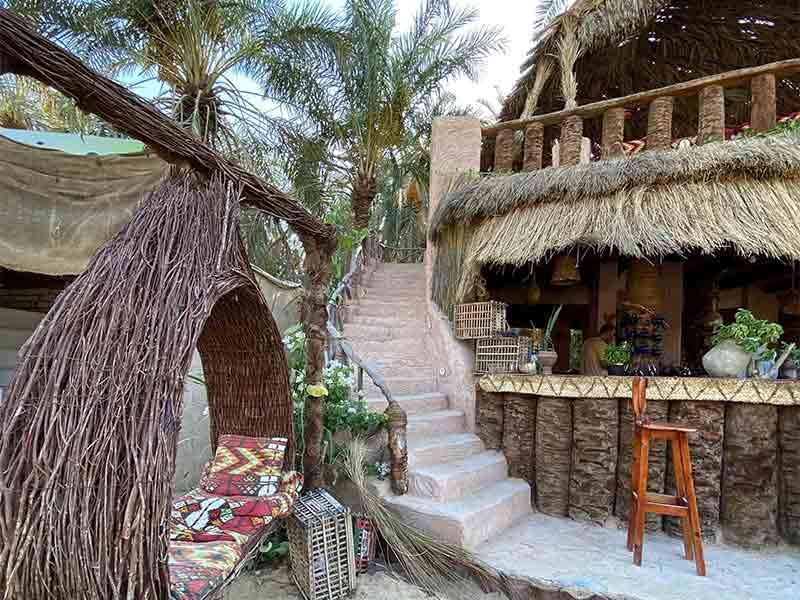
The most memorable Egypt journeys are not always built around another monument. Local Cultural Experiences can bring you closer to the everyday side of the country through traditional food, local markets, crafts, Nubian communities, desert hospitality, neighborhood walks and time spent understanding how people live, work and celebrate.
Our approach to Exclusive Cultural Experiences is to make these encounters part of a thoughtfully planned itinerary rather than treating local communities as quick photo stops. Your experience can be adapted to your interests, travel pace and the destinations already included in your Egypt trip.
A standard sightseeing itinerary is usually organized around places. A cultural itinerary can be organized around moments: eating a regional dish, entering a traditional neighborhood, watching a craft being made, sailing past river communities, visiting a local market or spending time with people who know the area personally.
That does not mean removing the major highlights from your trip. The better approach is to place cultural experiences around them. A Cairo day can combine iconic sightseeing with local food and neighborhood exploration. An Aswan itinerary can connect Philae and the Nile with Nubian culture. A desert extension can include Bedouin hospitality alongside the landscape. Siwa can add crafts, traditional food, oasis architecture and local traditions to a slower multi-day stay.
Food is one of the easiest ways to understand regional identity. Build time for local dishes and ask what is prepared fresh rather than limiting meals to international hotel menus.
A meaningful encounter gives travelers time to listen and observe rather than simply taking photographs and moving to the next attraction.
Crafts, textiles, pottery, palm products, jewelry and other locally produced items can provide a direct connection to traditional skills and local economies.
Smaller streets, souqs, islands, villages and oasis communities can reveal aspects of Egypt that are easy to miss when every day is built around headline attractions.
Cultural experiences often become more meaningful when the itinerary leaves enough room for conversation, observation, meals and spontaneous discoveries.
Culture should fit naturally into Cairo, Aswan, Siwa, the desert or a Nile itinerary instead of becoming an unrelated add-on.

Cairo's cultural character cannot be reduced to the pyramids and museums. The city also offers historic neighborhoods, Islamic architecture, markets, cafés and food traditions that make it possible to experience Cairo as a living city.
A cultural-focused Cairo itinerary can be combined with your main sightseeing through Cairo Tours. You can pair major landmarks with an evening market experience, a local meal or a slower neighborhood walk instead of spending every hour inside a formal attraction.
Islamic Cairo can be especially useful for this approach because architecture and local commercial life overlap in the same historic urban environment. A walking route through Al-Muizz and Khan El-Khalili can therefore combine heritage with street activity.
Travelers who want to connect food, heritage and city life can also add a suitable Egypt Day Tour to an existing Cairo stay. The current site organizes day experiences around cultural cities, local heritage and different traveler interests.
Siwa is particularly suitable for travelers who want their cultural experience to include landscape, local traditions, crafts and a slower pace. The current site describes the oasis as culturally distinctive, with local traditions, traditional food, workshops, palm products, embroidery, pottery and jewelry all forming part of the visitor experience.
Spend time around workshops and locally made products instead of treating Siwa only as a base for desert excursions. Traditional materials, palm products, pottery, embroidery and jewelry can give the visit a more direct connection to local economic life.
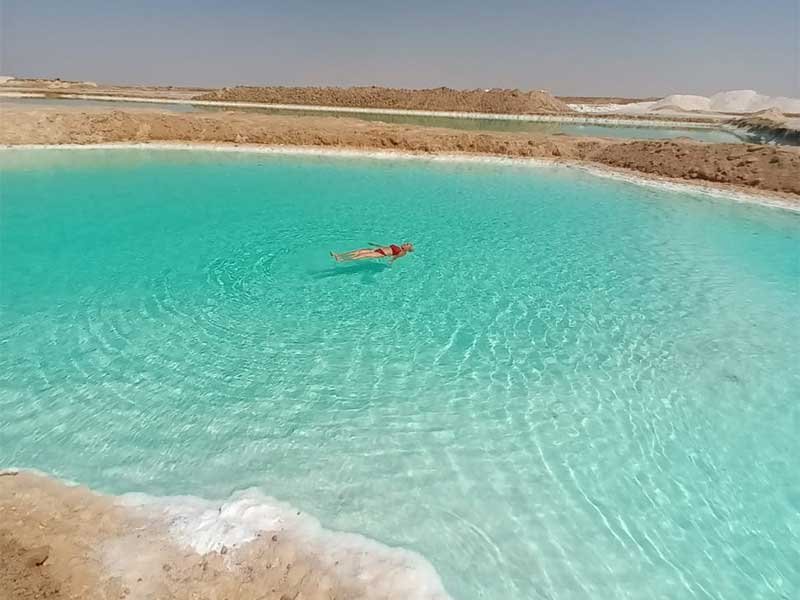
Siwa becomes more rewarding when local life is balanced with its springs, salt lakes, palm groves and historic sites. The current Siwa guide recommends a slower visit rather than trying to compress the oasis into a rushed extension.
Read more in the site's Siwa Oasis experiences guide or use the Oracle of Amun and Siwa attractions guide to connect local culture with historical and archaeological stops.
Aswan offers one of the clearest opportunities to combine famous sightseeing with cultural experiences. The current destination guide highlights Nubian heritage, felucca sailing, Elephantine Island, the Nubian Museum and the possibility of visiting a Nubian community respectfully.
Spend time learning about local traditions and everyday life instead of reducing a village visit to a photo opportunity.
Use a traditional sailing experience to slow the itinerary and see islands, river scenery and local movement from the water.
Add archaeological and cultural context before or after visiting local communities and southern monuments.
Walk through the city's souq for spices, textiles, baskets, food products and everyday commercial life.
Explore the current Things to Do in Aswan guide to combine archaeological visits with river, island and Nubian experiences. A Nile Cruise can also make cultural moments part of a longer Luxor–Aswan journey instead of keeping every experience inside a single city.
Cultural travel does not have to happen inside a city. The Western Desert and Red Sea regions can introduce visitors to Bedouin traditions, desert hospitality, local meals, campfire conversations and the rhythms of life in environments very different from Cairo and the Nile Valley.
One current Alacart Travel Egypt program combines Cairo with the Western Desert and explicitly includes encounters with local people, traditional food and time with Bedouin hosts. It also frames the desert experience around shared meals and evening gatherings rather than scenery alone.
In a Red Sea itinerary, desert experiences can similarly complement coastal days. The current Hurghada and Sharm El Sheikh guides describe desert programs that can include camel experiences, local-style meals, sunset settings and Bedouin-oriented cultural elements.
See the site's Desert & Safari Experiences when you want to add an inland cultural component to a wider Egypt route.

“Exclusive” does not have to mean creating something artificial or inaccessible. For a travel itinerary, it can simply mean giving your interests more space and designing the experience around your travel party rather than fitting everyone into the same sequence.
Organize the experience around your preferred start time, daily rhythm and overall itinerary.
Prioritize food, crafts, architecture, local life, photography, music, history or community experiences according to your interests.
Build the day around selected local experiences rather than filling the schedule with as many stops as possible.
Place cultural moments naturally within your Cairo, Nile, Aswan, Luxor, desert or oasis route.
The current Alacart Travel Egypt website positions Tailor-Made Tours around personalized travel planning, while private-tour options can be used when you want a more flexible experience with your own travel party.
Destination |
Cultural Focus |
How It Can Fit the Itinerary |
|---|---|---|
Cairo |
Historic neighborhoods, markets, local food and religious heritage
|
Add to a city sightseeing day or create a dedicated evening and neighborhood route.
|
Aswan |
Nubian heritage, felucca sailing, islands, souq and local community experiences
|
Combine with Philae, Elephantine and other southern sightseeing.
|
Siwa |
Oasis traditions, crafts, local products, food and historic settlement life
|
Allow several nights so cultural activities are not squeezed between long transfers.
|
Western Desert |
Bedouin hospitality, traditional meals, desert camp experiences and local stories
|
Use as a dedicated extension rather than trying to combine it with an overloaded city day.
|
Red Sea |
Desert culture, local markets, food and community-oriented evening experiences
|
Balance beach and marine activities with a cultural or desert half-day.
|
A responsible cultural experience should give visitors a chance to learn while respecting the privacy, customs and daily routines of the people they meet.
Especially when photographing residents, children, workshops, private homes or community spaces.
Modest clothing is appropriate when visiting villages, religious areas and conservative communities.
Buying directly from artisans, local cafés and small businesses can make the cultural visit more connected to the local economy.
A cultural itinerary becomes more useful when it starts with the traveler rather than with a fixed checklist. Tell us what type of interaction interests you and where your existing Egypt itinerary already takes you.
Identify what interests you most: food, crafts, neighborhoods, architecture, local communities, desert culture or Nubian heritage.
Match those interests to destinations already included in your Egypt itinerary so the cultural experience fits naturally.
Combine cultural moments with your archaeological, sightseeing, cruise or beach plans without overloading the day.
Review timing, transportation, inclusions and the exact nature of each local experience before finalizing the itinerary.
For a wider itinerary, Egypt Tour Packages can combine cultural experiences with Cairo, Giza, Luxor, Aswan and other destinations. A private route can then be adjusted around the time you actually have available.
Combine historic cities and temples with felucca or cruise experiences and time in southern communities.
Add a desert extension when you want Bedouin hospitality, traditional meals, camp settings and a change from urban sightseeing.
Pair local life with Islamic, Coptic and pharaonic heritage for a broader understanding of how different periods shaped modern Egypt.
Tell us whether you want your trip to focus on local food, Nubian culture, crafts, historic neighborhoods, desert hospitality, oasis life or a combination of experiences. The itinerary can then be organized around your destinations, available time and preferred travel style.