

 English
 Français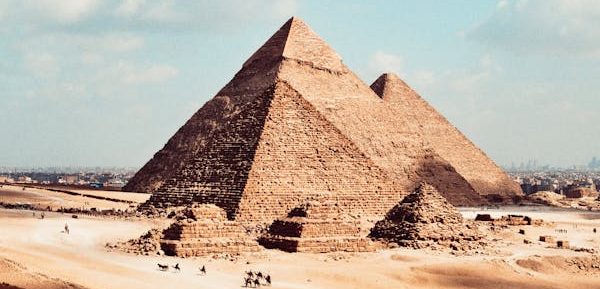
20 Best Egypt Attractions & Destinations
Build a balanced Egypt itinerary across ancient monuments, Nile cities, Mediterranean history, Red Sea reefs, desert landscapes and living religious heritage.
Egypt attractions extend far beyond one historical period or region. Giza and Saqqara reveal the age of the pyramids; Luxor and Aswan preserve the monumental landscapes of the New Kingdom and Nubia; the Red Sea adds coral reefs and beaches; and Egypt’s oases, monasteries and Mediterranean cities create entirely different journeys.
This page is designed as a national planning hub. Each destination receives a concise overview and links to a more detailed guide where available, preventing overlap with dedicated Cairo, Luxor, Aswan, Alexandria and Red Sea pages.
Cairo and Giza attractions
Giza Pyramids and the Great Sphinx
The pyramids of Khufu, Khafre and Menkaure anchor Egypt’s most famous archaeological landscape. Allow time for viewpoints, causeways, subsidiary monuments and the Sphinx rather than treating Giza as one quick photo stop.
Grand Egyptian Museum
The GEM is now open to visitors near the Giza Plateau, replacing outdated advice that it is still awaiting completion. Its galleries present Egyptian history at exceptional scale, including the Tutankhamun collection. Check current hours on the official ticketing site.
Historic Cairo
Explore medieval streets, mosques, madrasas, gates and markets around al-Muizz Street and Khan el-Khalili. This is a living urban district, not a single monument, so dress respectfully and plan around prayer times.
Coptic Cairo
The historic religious quarter includes the Hanging Church, Church of Saints Sergius and Bacchus, Ben Ezra Synagogue and Coptic Museum within and around the Roman fortress of Babylon.
Saqqara and Dahshur
Saqqara’s Step Pyramid of Djoser documents a crucial stage in pyramid architecture, while nearby tombs preserve detailed daily-life scenes. Dahshur adds the Bent and Red Pyramids to the story of architectural experimentation.
Luxor and Upper Egypt
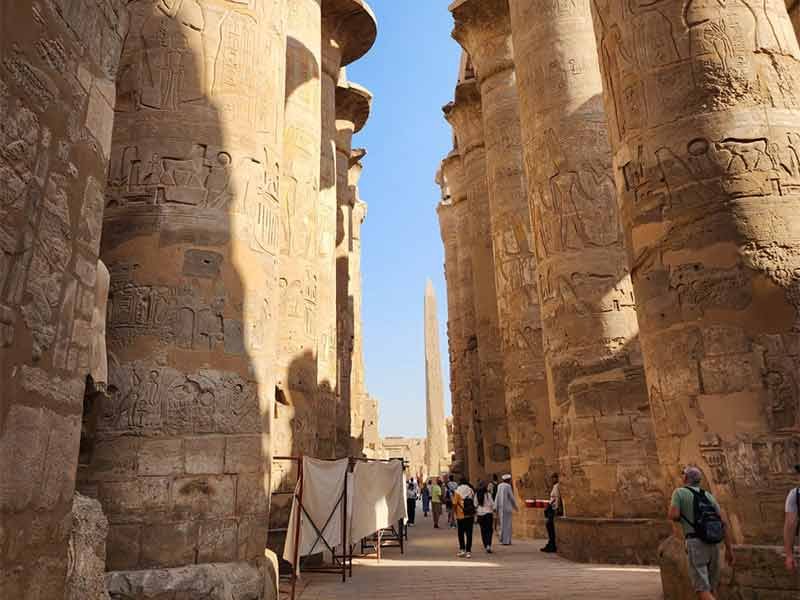
Karnak and Luxor Temple
Luxor’s East Bank connects the vast sanctuary of Karnak with Luxor Temple and the ceremonial Avenue of Sphinxes. Together they explain the religious geography of ancient Thebes.
Valley of the Kings
More than sixty known tombs and unfinished chambers lie in this New Kingdom royal necropolis. Standard admission covers only a changing selection, while famous tombs may require extra tickets.
Temple of Hatshepsut and West Bank
Hatshepsut’s terraced mortuary temple at Deir el-Bahari is one part of a wider West Bank route that can include Medinet Habu, the Colossi of Memnon and the Valley of the Queens.
Dendera Temple
The Temple of Hathor near Qena preserves richly decorated columns, crypts, roof spaces and astronomical imagery. It works well as a focused trip north of Luxor.
Abydos and the Temple of Seti I
Abydos was a major cult center of Osiris. Seti I’s temple is celebrated for its refined reliefs and king list, but the journey requires more time than a typical Luxor half-day.
The Nile, Aswan and Nubia
Nile cruise between Luxor and Aswan
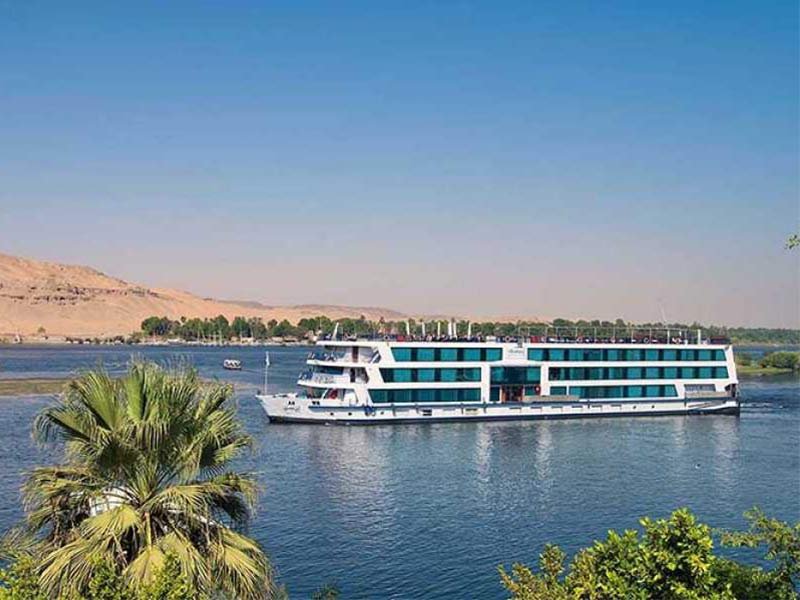
A multi-day cruise or dahabiya journey links Edfu, Kom Ombo and river landscapes that are difficult to appreciate from the road. It is a travel experience and transport route, not a single attraction.
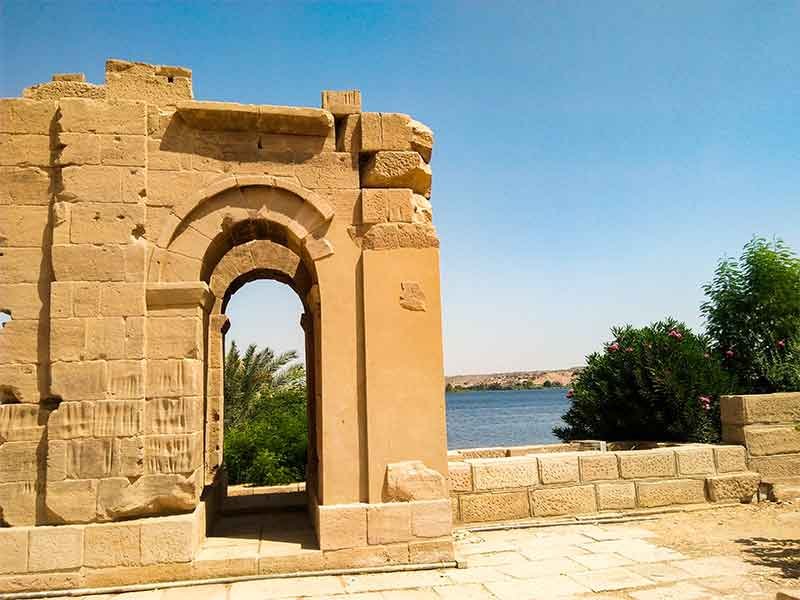
Aswan and Philae Temple
Aswan combines Nile islands, Nubian culture, granite quarries and the relocated Temple of Isis at Philae. A felucca trip is useful for understanding the city’s relationship with the river.
Abu Simbel
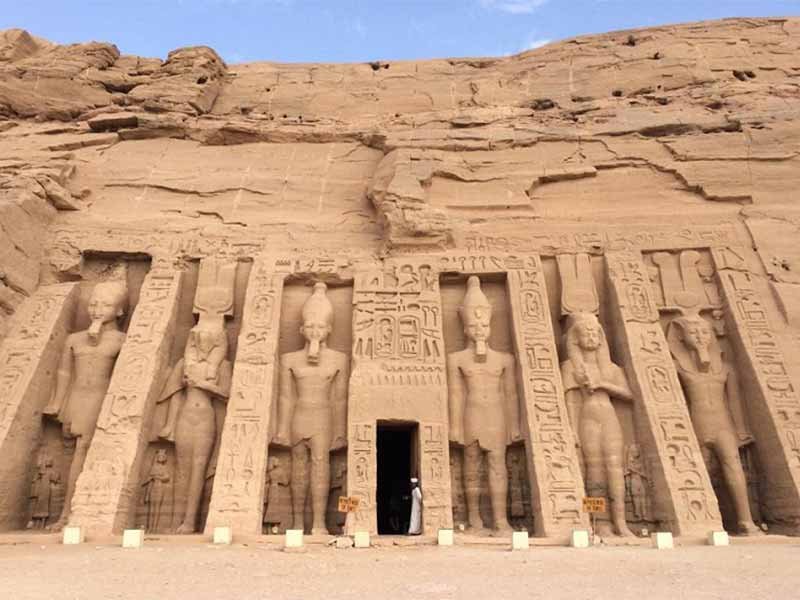
The rock-cut temples of Ramesses II and Queen Nefertari were relocated during the international campaign to save Nubian monuments from the rising waters associated with the Aswan High Dam.
Deserts, oases and Fayoum
White Desert and Bahariya Oasis
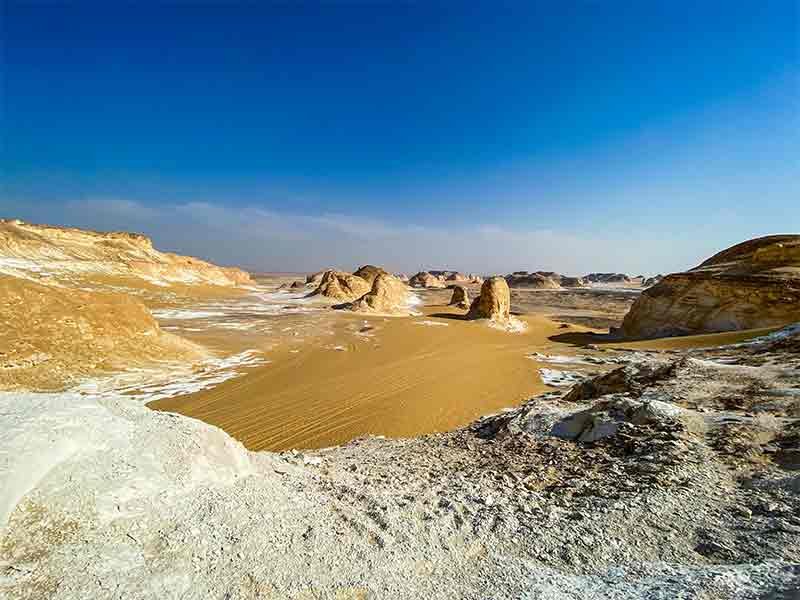
Wind-shaped chalk formations create one of Egypt’s most distinctive desert landscapes. Trips normally require suitable 4WD transport, local logistics and responsible camping practices.
Siwa Oasis
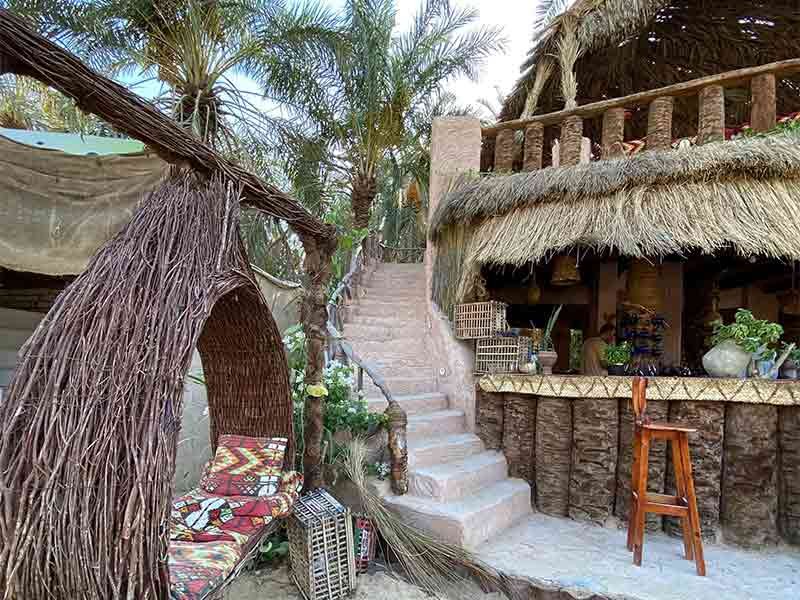
Siwa combines palm groves, salt lakes, springs, the Shali fortress and the Temple of the Oracle. Its remote location rewards a multi-day stay rather than a rushed extension from Cairo.
Wadi Al-Hitan and Fayoum
UNESCO-listed Whale Valley preserves fossils that document the evolution of whales from land-based ancestors to ocean life. Combine it with Fayoum’s desert scenery rather than describing it as a green valley.

Red Sea, Sinai and Mediterranean destinations
Hurghada and El Gouna
These Red Sea bases combine beaches, boat excursions and reefs with easier road access to Luxor than the Sinai resorts.
Marsa Alam
Marsa Alam suits travelers seeking southern Red Sea marine sites, quieter resorts and nature-focused excursions. Choose operators with strong reef and wildlife practices.
Sharm El Sheikh and Ras Mohammed
Sharm is a major Sinai resort base for reefs, boat trips and protected coastal landscapes. Ras Mohammed is the key nature excursion, while the city offers beaches and resort activities.
Alexandria
Egypt’s Mediterranean city combines Qaitbay Citadel, Bibliotheca Alexandrina, Greco-Roman archaeology, catacombs and the Corniche.

How to Combine the Best Egypt Attractions
Trip length | Recommended route | Best for |
|---|---|---|
7 days | Cairo and Giza → Luxor → Aswan | First-time historical highlights |
10 days | Cairo → Luxor → Nile cruise → Aswan | Classic Nile itinerary |
12–14 days | Cairo → Nile Valley → Red Sea | History plus beach recovery |
14+ days | Classic route plus Alexandria, Siwa or White Desert | Regional depth and variety |
Practical planning tips
Check changing information
Ticket prices, opening hours, museum transfers, tomb rotations and access rules change. Verify official sources before travel.
Plan around climate
Early starts matter in Luxor, Aswan and desert areas. Coastal weather and mountain temperatures require different clothing.
Use logical geography
Group Cairo sites, Luxor banks and Aswan excursions. Avoid repeated cross-city transfers caused by attraction-by-attraction planning.
Protect heritage and nature
Do not touch reliefs or coral, remove waste, follow protected-area instructions and choose responsible operators.
Frequently asked questions
What are Egypt’s most important attractions for a first visit?
The Giza Pyramids, Grand Egyptian Museum, Historic Cairo, Karnak, Valley of the Kings, Aswan, Philae and Abu Simbel form a strong first-trip foundation.
How many days do I need to see Egypt?
Seven days covers selected highlights, while 10–14 days creates a better balance between Cairo, the Nile Valley and one additional region.
Is the Grand Egyptian Museum open?
Yes. The museum is open to visitors, and its official ticketing website publishes current gallery hours and admission information.
Which is better: Hurghada or Sharm El Sheikh?
Hurghada offers easier road access to Luxor, while Sharm is well placed for Ras Mohammed and South Sinai excursions. The better choice depends on your wider route.
Should I take a Nile cruise?
A cruise is useful for combining Edfu, Kom Ombo and Nile scenery with accommodation and transport. Independent travelers can also build a land itinerary.
Can I visit Siwa or the White Desert on a short trip?
Both require substantial travel and logistics. They are best added when you have enough time for at least one focused desert extension.
What is Egypt’s UNESCO natural World Heritage Site?
Wadi Al-Hitan, or Whale Valley, is Egypt’s natural World Heritage property, recognized for fossil evidence documenting whale evolution.
Do attraction prices and opening hours stay the same?
No. Verify all time-sensitive details with official sites shortly before the visit, especially museums, archaeological sites and protected areas.
Build a Well-Paced Egypt Itinerary
Combine Cairo, the Nile Valley, desert landscapes and the Red Sea according to your interests, available time and preferred travel pace.
Explore Egypt Tour Packages