

 English
 Français
01
Foundations of Monumental Egypt
Use Giza and Saqqara to examine pyramid development, funerary architecture and the way royal monuments shaped the landscape around Memphis.
Explore Egypt through the monuments, tombs, temples, museums and archaeological landscapes that reveal how the civilization developed across different periods. These Ancient Egypt Tours can be shaped around the places and subjects you care about most, from pyramid architecture in Giza and Saqqara to royal tombs in Luxor, Nile temples and the archaeology of Aswan.
Rather than treating every landmark as a separate stop, an archaeology-focused itinerary connects sites by chronology, location and historical theme, giving you more context during each visit.
The most useful Archaeology Tours do more than move from one famous monument to another. They give each location a role in the larger story, so a pyramid, a royal tomb, a temple relief or a museum object becomes part of a connected route.
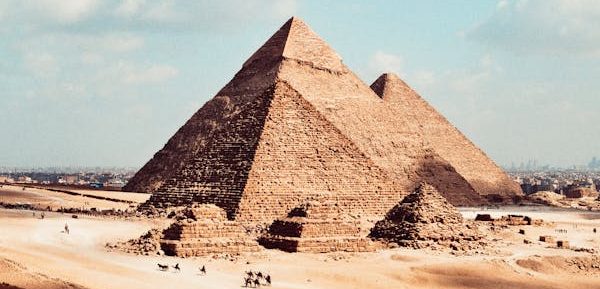
Use Giza and Saqqara to examine pyramid development, funerary architecture and the way royal monuments shaped the landscape around Memphis.
Move south to Luxor, where Karnak, Luxor Temple and the West Bank reveal religion, kingship, temple architecture and elite burial traditions.
Extend the route toward Edfu, Kom Ombo, Dendera or Abydos when you want to study later temple architecture and richly preserved relief programs.
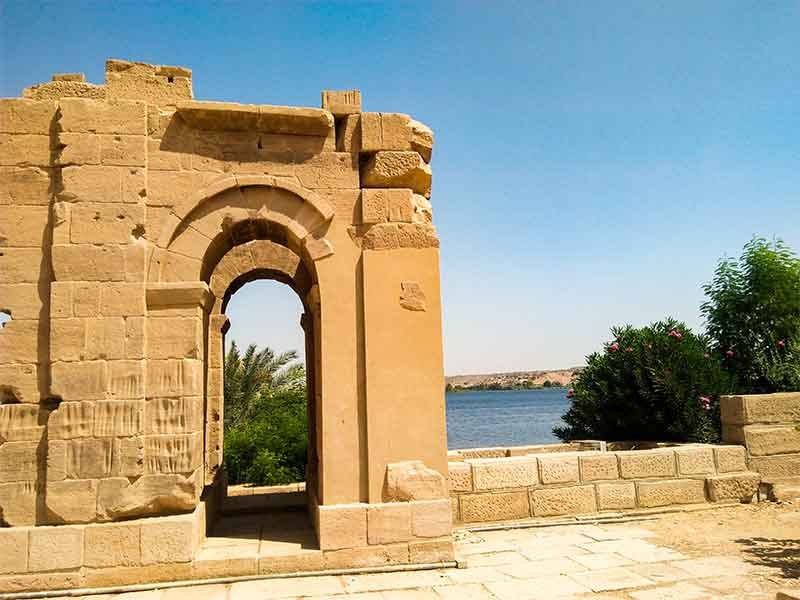
Connect Aswan and Philae with the wider Nile landscape, then add Abu Simbel or Nubian experiences when the itinerary allows enough travel time.
Giza is not only a place to photograph the pyramids. An archaeology-focused visit gives time to understand the pyramid complex as a connected landscape, including the major pyramids, the Sphinx, viewpoints and the wider funerary setting.
Adding Saqqara and Dahshur broadens the architectural story. Saqqara provides the Step Pyramid of Djoser and nearby tombs, while Dahshur adds the Bent and Red Pyramids and evidence of experimentation in pyramid design. The current site guide groups these destinations within the broader Cairo and Giza archaeological circuit. Explore Cairo Tours when you want to connect Giza with the capital's museums and historic districts.
For deeper museum context, pair the archaeological field days with the Grand Egyptian Museum. The current museum guide highlights the Main Galleries, Grand Hall, Grand Stairs, Tutankhamun Galleries and Khufu's Boats Museum, making it useful as a companion to the monuments you see outside the museum.
Luxor is central to archaeology-focused travel because the East Bank and West Bank form two complementary halves of ancient Thebes. The East Bank centers on Karnak and Luxor Temple, while the West Bank adds royal tombs, mortuary temples and the wider Theban Necropolis.
A strong route can begin with the main archaeological sites in Luxor, then use a dedicated Luxor tour itinerary to organize visits by bank. Travelers who want less-common temple context can include Medinet Habu alongside Valley of the Kings, Hatshepsut and other West Bank stops.
For archaeology enthusiasts, the value of a Luxor visit often comes from slowing down at the reliefs, tomb plans, temple courtyards and settlement remains rather than maximizing the number of places visited.
A Nile route adds a different archaeological rhythm. Instead of returning to a road transfer after every visit, the journey itself becomes part of the sequence connecting Upper Egypt's temple landscapes.
Use the first part of the journey to connect New Kingdom monuments with later temple traditions farther south.
Focus on temple planning, relief programs and the relationship between monument, river and settlement.
Finish with Philae, granite landscapes and optional southern extensions according to your available days.

Kom Ombo adds another layer to an Ancient Egypt Tours itinerary because its surviving temple complex presents a double dedication and detailed reliefs. It works especially well as part of a southbound Nile sequence rather than as an isolated detour.
The site can sit between Edfu and Aswan in a route designed to combine temple visits with time on the river. That creates a more coherent archaeology experience than treating each monument as a disconnected excursion.
Compare Nile Cruise options when you want accommodation and sightseeing connected along the river, or consider Dahabiya Cruises for a smaller traditional sailing experience. The best choice depends on the route, pace and type of travel you want.
Aswan adds a distinctly southern perspective to the route. Philae, Nile islands, granite landscapes and nearby Nubian heritage can be combined into a final stage that feels different from the pyramid fields of Giza or the royal archaeology of Luxor.
Use the Aswan travel programs to see how the city can be connected with the wider Nile itinerary. Abu Simbel can also be considered when the available travel days and transfer schedule make the extension practical.
The outline below is a planning model, not a fixed package. Exact inclusions, opening hours, transfers and optional visits should be confirmed in the final itinerary.
Stage |
Archaeology focus |
How the route works |
|---|---|---|
Days 1–2 |
Giza & Cairo |
Pyramids, Sphinx, archaeological context and a museum visit arranged around your interests.
|
Day 3 |
Saqqara & Dahshur |
Compare major phases of pyramid development without repeating the same type of monument all day.
|
Days 4–5 |
Luxor East & West Banks |
Balance Karnak and Luxor Temple with royal tombs and mortuary monuments on the West Bank.
|
Days 6–8 |
Nile Valley temples |
Travel south with Edfu and Kom Ombo visits incorporated into the river journey.
|
Days 9–10 |
Aswan & southern extension |
Philae and Aswan, with an optional Abu Simbel extension when travel time permits.
|
The current site also describes 8–10 day programs as a practical way to connect Cairo and Giza with Luxor, Aswan and often a Nile cruise, while longer itineraries can add further regions or a slower pace. See the wider Egypt attractions guide to compare possible extensions.
Not every archaeology traveler wants the same itinerary. One person may want pyramid architecture and tombs, while another prefers inscriptions, temple reliefs, museums or the transition from pharaonic to later periods. Your program can prioritize the subjects that will make each stop meaningful.
Compare major pyramid sites and use Giza, Saqqara and Dahshur to trace how monumental funerary architecture developed and changed.
Give more time to the Valley of the Kings, elite tombs and museums that help explain burial customs, symbolism and the afterlife.
Focus on pylons, courtyards, sanctuaries, columns and relief programs across Karnak, Luxor, Edfu, Kom Ombo and Philae.
Use museum visits to examine statues, funerary objects, royal imagery and everyday artefacts alongside the monuments where their stories began.
The goal is not to add every possible monument. It is to build a sequence that matches your interests while keeping the travel time and daily pace realistic.
Share the monuments, historical periods, museums or archaeological subjects you most want to investigate.
Choose the cities and regions that matter most, then organize them in a logical order.
Allow space for guided visits, transport, meals and recovery instead of making every day a sequence of rushed stops.
Review the final sightseeing list, transport plan, accommodations and any optional experiences before booking.
For visitors who want more control over the route, Tailor-Made Tours can be used to shape the itinerary around dates, pace, interests and preferred travel style. A shorter archaeological visit can also be added through Egypt Day Tours when your main trip already has a larger schedule.
Check the final opening hours, ticket categories, tomb availability and any special access rules for the dates you are traveling.
Tell the planner which locations deserve deeper visits so they can receive more time than quick photo stops.
Egypt is large. Build realistic connections between Cairo, Luxor and Aswan rather than stacking distant destinations into one day.
Specify whether you want broad sightseeing context or deeper Egyptology-oriented explanations during your private visits.
The current Alacart Travel Egypt contact page describes private, tailor-made journeys that can combine accommodation, private transportation, guided sightseeing and day tours across Cairo, Giza, Luxor, Aswan and other Egyptian destinations. The same page also presents the company as a local DMC supporting travelers and travel professionals. Discuss your archaeology itinerary with the local team.
Tell Alacart Travel Egypt which sites, periods and museums matter most to you. The route can then be structured around your travel dates, preferred pace and the destinations you want to investigate in greater depth.