

 English
 Français
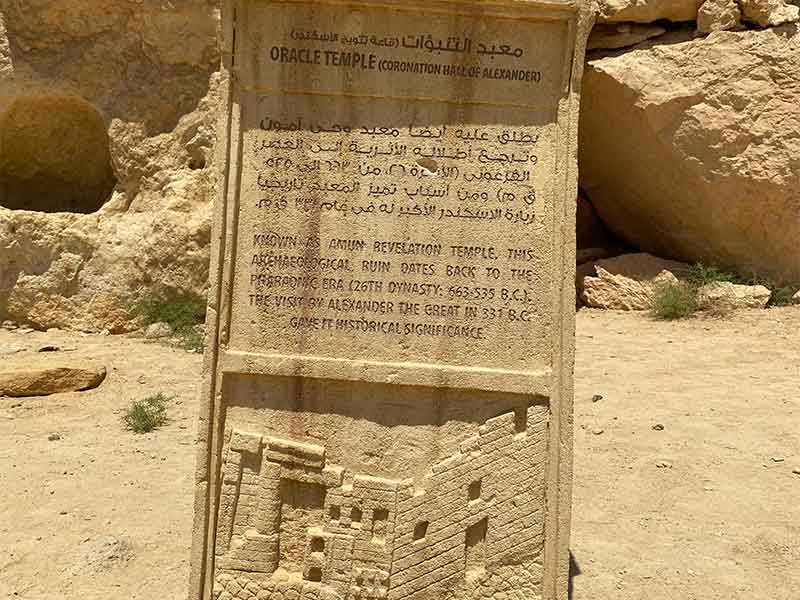
Oracle of Amun: History and 15 Siwa Oasis Attractions
Explore the temple associated with Alexander the Great, understand its ancient role and plan a wider journey through Siwa’s historic and natural landscape.
The Oracle of Amun, also called the Temple of the Oracle, stands at Aghurmi in Siwa Oasis. It became one of the ancient Mediterranean world’s most renowned oracle sites and is closely connected with Alexander the Great’s visit to Siwa after he entered Egypt. Today, the surviving sanctuary rewards visitors with archaeology, desert light and broad views across the oasis.
This guide gives the temple the depth it deserves, then places it within a route covering 15 important Siwa landmarks. For activity-led planning—including salt-lake swimming, desert safaris and sunset experiences—use our separate guide to the best things to do in Siwa Oasis.
Why Was the Oracle of Amun Important?
Oracles were places where people sought divine guidance, often through priests who interpreted a god’s response. Siwa’s sanctuary was dedicated to Amun, a major Egyptian deity whose worship became connected with Zeus in the Greek world. The temple’s remote desert location did not isolate it; instead, its reputation drew visitors from across the ancient Mediterranean.
Alexander the Great traveled to Siwa in 331 BCE. Ancient accounts differ in their wording and emphasis, so the precise message he received cannot be reconstructed with certainty. What is clear is that the visit became part of his royal image and the wider story of his rule in Egypt. A careful visit separates this documented historical importance from later legends.
What to See at the Temple of the Oracle
The sanctuary occupies an elevated position within old Aghurmi. Visitors can examine the surviving stone walls, passages and inner sacred spaces while considering how the complex once functioned within the settlement. The location also reveals how architecture, political authority and the oasis landscape were connected.
Move slowly through the site and look beyond individual walls: the views help explain why this location was distinctive. Avoid climbing on fragile masonry, touching reliefs or entering restricted sections. Ticketing, hours and access arrangements can change, so verify them locally shortly before the visit.
Historic Attractions Near the Oracle Temple
Temple of the Oracle at Aghurmi
Make the sanctuary the anchor of your historical route. Its religious reputation, Alexander connection and elevated position distinguish it from every other stop in the oasis.
Temple of Umm Ubayd
The surviving wall fragment belongs to another temple dedicated to Amun. Although much less remains, the site adds context to the sacred landscape surrounding Aghurmi.
Shali Fortress
The historic fortified settlement rises in the center of Siwa town. Its kershef architecture—made from local salt, mud and clay—reflects adaptation to oasis materials and climate.
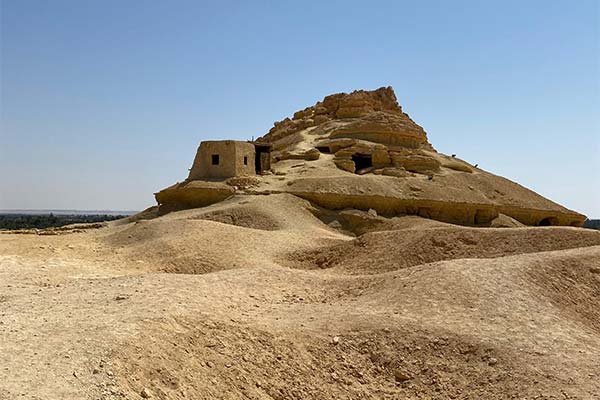
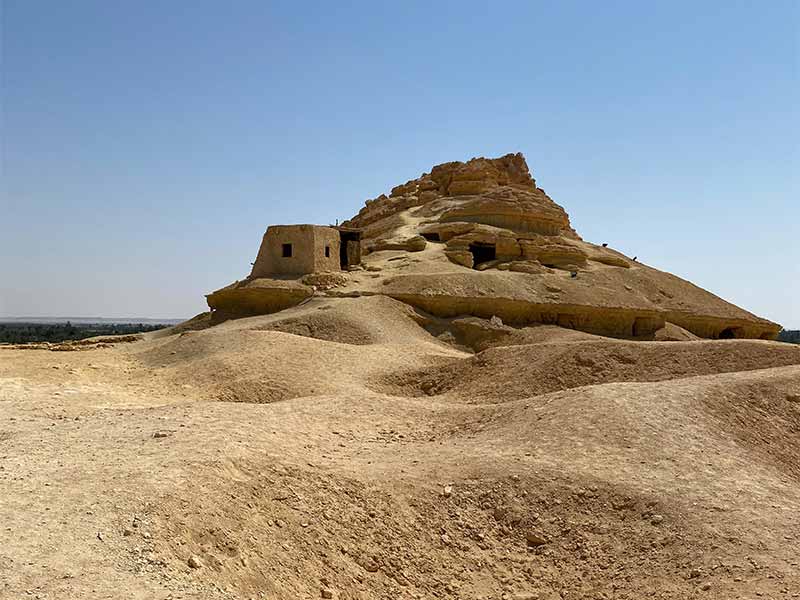
Mountain of the Dead
Gebel al-Mawta contains rock-cut tombs spanning several historical periods. Accessible tombs and the elevated panorama make it one of Siwa’s strongest archaeological complements to the oracle.
Aghurmi Village
Take time to observe the settlement around the temple rather than treating it only as an entrance point. The relationship between the sanctuary, village and cultivated oasis is central to understanding the place.
Natural and Desert Attractions Around Siwa
Cleopatra’s Spring
This spring-fed circular pool is a popular stop near Aghurmi. Cafés and small shops add local atmosphere, making it easy to combine with both Amun temples.
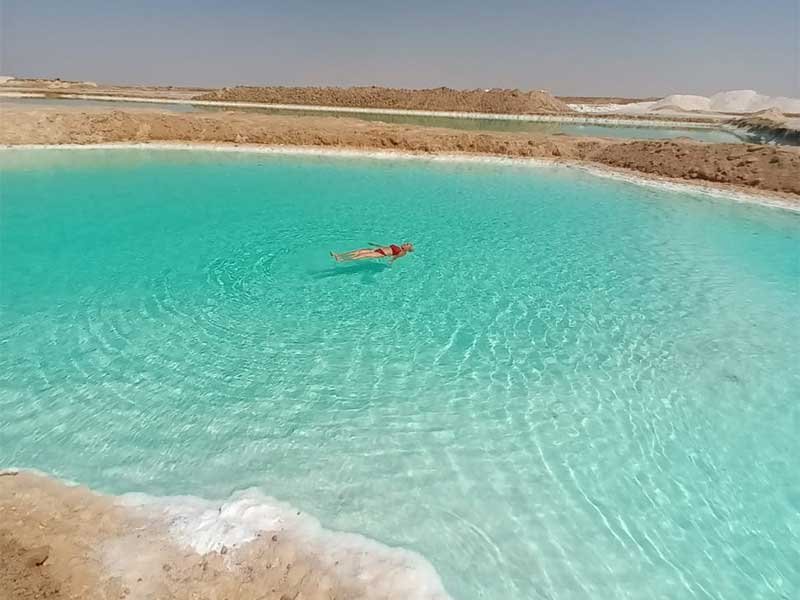
Siwa Salt Lakes
The intensely saline lakes are known for bright colors and natural buoyancy. Enter only at suitable locations, protect your eyes and rinse with fresh water afterward.
Fatnas Island
Fatnas is a relaxed sunset viewpoint beside the water and palms. It works particularly well as the final stop after an afternoon of sightseeing.
Great Sand Sea
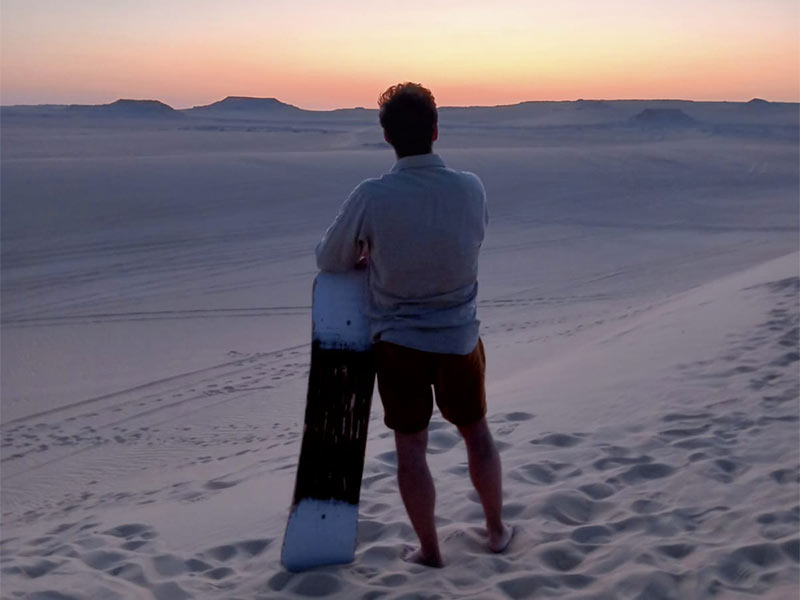
Guided 4×4 excursions reveal high dunes and immense desert horizons. Confirm permits, safety equipment and the precise route with a responsible local operator.
Bir Wahed
This remote spring is commonly included in selected desert routes. Access conditions can change, so it should be visited only as part of an authorized, well-planned excursion.
Dakrour Mountain
The mountain is associated with local traditions and broad landscape views. Traditional hot-sand treatments require experienced guidance and are not a substitute for medical care.
Cultural Places and Local Life
Siwa House Museum
A small local museum can provide context on domestic architecture, clothing, tools and everyday traditions. Check opening arrangements locally.
Siwan Traditions Museum
Collections and displays focused on regional crafts help visitors understand embroidery, jewellery and household culture beyond the archaeological sites.
Olive and Date Farms
Olives and dates are fundamental to the oasis economy. Local products make practical souvenirs and offer a direct connection to Siwa’s agricultural landscape.
Local Markets and Workshops
Browse embroidery, palm products, pottery and jewellery, ask before photographing people and support makers directly where possible.

How to Combine the Oracle of Amun With Siwa’s Sights
Route | Suggested stops | Recommended pace |
|---|---|---|
Eastern heritage route | Oracle Temple → Umm Ubayd → Aghurmi → Cleopatra’s Spring | Half day |
Historic Siwa route | Shali Fortress → Mountain of the Dead → local museum | Half day |
Nature and sunset route | Salt lakes → palm groves → Fatnas Island | Afternoon |
Desert route | Permitted Great Sand Sea itinerary with a local operator | Half or full day |
Practical Visitor Tips
Visit in softer light
Morning or late-afternoon light improves comfort, photography and views from the elevated sanctuary.
Protect fragile heritage
Do not climb on walls, touch decorated surfaces or enter closed areas. Follow all instructions at archaeological sites.
Verify current access
Opening hours, tickets, restoration work and desert permissions can change. Confirm details shortly before visiting.
Allow enough time
Siwa is too remote for a practical Cairo day trip. Plan several nights and leave room for the long overland journey.
Use our practical Siwa travel guide for additional planning advice, or compare the oasis with other Egypt attractions and destinations.
Frequently Asked Questions
Where is the Oracle Temple located?
The temple stands at Aghurmi in Siwa Oasis, in Egypt’s Western Desert. It can be combined easily with Umm Ubayd Temple and Cleopatra’s Spring.
Why did Alexander the Great visit Siwa?
Alexander traveled to the sanctuary in 331 BCE to consult its famous oracle. The visit later became closely tied to his royal identity, although ancient accounts do not preserve one uncontested version of the oracle’s response.
How long should I spend at the temple?
Most visitors can explore the compact sanctuary and enjoy its views within about an hour. Allow more time if you are visiting with a specialist guide or combining it with Aghurmi.
Is the temple the same as Umm Ubayd?
No. They are separate archaeological sites associated with the worship of Amun. The Oracle Temple is at Aghurmi, while Umm Ubayd preserves a much smaller surviving section nearby.
Can I visit the temple without a guide?
Independent visits may be possible depending on current access arrangements, but a knowledgeable guide adds valuable context about the sanctuary, Alexander and the wider oasis landscape.
What should I wear at Siwa’s archaeological sites?
Wear lightweight, modest clothing, comfortable shoes and sun protection. A warmer layer can be useful during cool desert evenings.
Are opening hours and tickets fixed?
No. Hours, fees and access conditions can change. Check current information locally or through official Egyptian tourism and antiquities channels before visiting.
How many days are enough for Siwa?
Three to four nights suit most first-time visitors and allow time for the main historical sites, natural attractions and one desert excursion.
Plan a History-Rich Siwa Itinerary
Combine the temple, Aghurmi, Shali, ancient tombs and Siwa’s natural landscapes in a route designed around your interests and pace.
Create Your Tailor-Made Tour