
 English
 Français
Historical & Cultural Tours in Egypt – Explore the Story Behind the Monuments
Historical & Cultural Tours in Egypt are designed for travelers who want more than photographs of famous monuments. A well-built cultural itinerary connects museums, temples, tombs, historic neighborhoods and living heritage so each destination adds another chapter to the story of Egypt.
Egyptian History Tours can connect Cairo and Giza with Luxor, Aswan, the Nile, Alexandria or another region according to your available time and the periods of Egyptian history you want to explore most deeply.
Build the Tour Around History, Not Just a List of Attractions
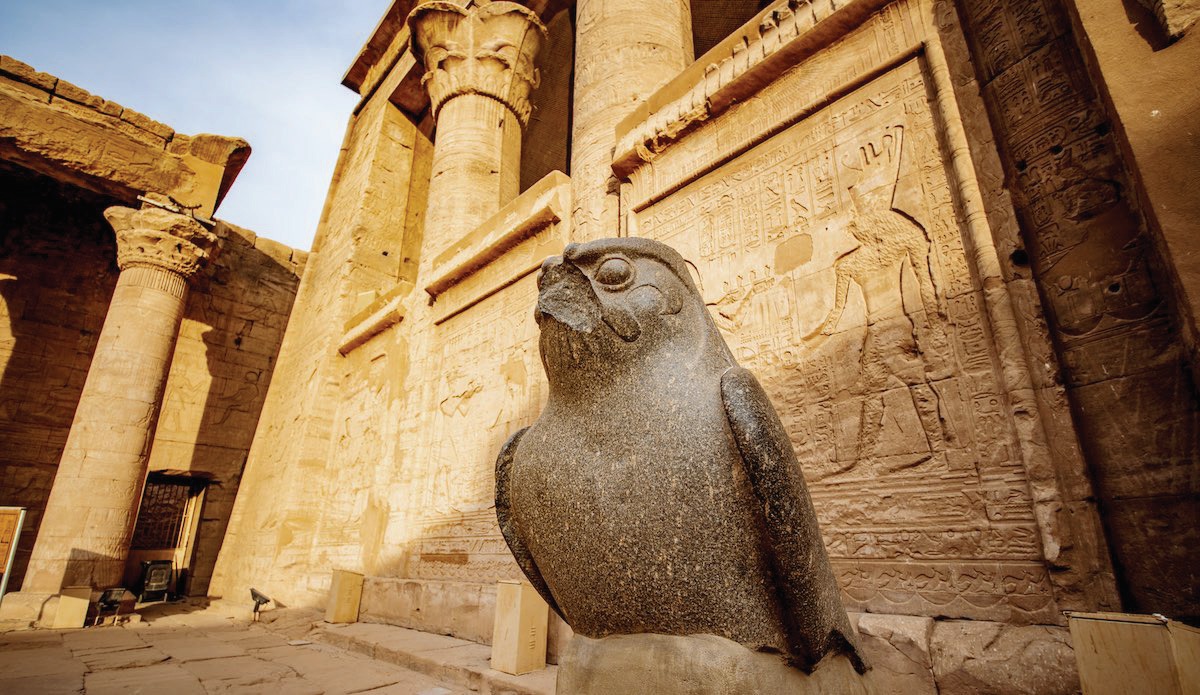
Egypt's historical sites become easier to understand when they are arranged into a sequence. The pyramids can introduce the royal landscape of the Old Kingdom, museums can provide archaeological context, and Luxor can take the story into the New Kingdom and the monumental religious landscape of ancient Thebes.
This is the difference between a basic sightseeing day and a stronger Historical & Cultural Tour: the places are connected through themes such as kingship, religion, burial, architecture, trade, daily life and the development of Egyptian society.
Alacart Travel Egypt's current Egypt attractions guide organizes the country by Cairo and Giza, Luxor and Upper Egypt, Aswan and Nubia, deserts and oases, the Red Sea, Sinai and Alexandria. It also emphasizes logical geography when building an itinerary.
Start With Giza, Saqqara and the Museum Story
Cairo and Giza provide the foundation for many Egyptian History Tours because they bring together the most recognizable archaeological landscape with museums and later layers of the capital's history.
Giza can introduce the pyramid age through the Great Pyramid, the Sphinx and the wider funerary landscape. Saqqara then adds an important architectural sequence, showing how pyramid construction developed beyond the Giza plateau.
Alacart Travel Egypt's current Cairo Tours collection covers different Cairo sightseeing themes, while its wider Egypt packages connect Cairo and Giza with southern destinations.
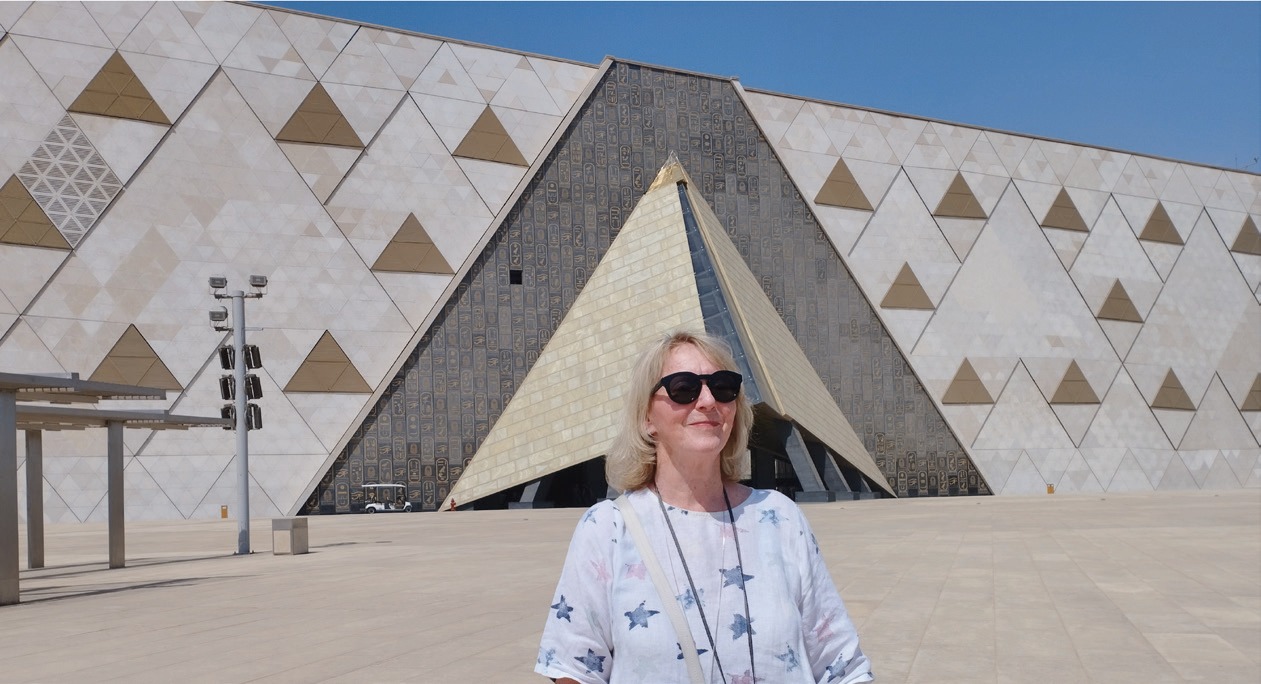
For a deeper museum component, the Grand Egyptian Museum Guide explains how the museum can be paired with Giza and highlights its collections, galleries, Tutankhamun experience and relationship with the pyramid landscape.
Use Museums to Understand the Civilization Behind the Monuments
Historical touring becomes more valuable when monumental sites are supported by museum collections. Statues, funerary objects, jewellery, tools, religious objects and inscriptions can show how the people who built temples and tombs actually lived, ruled, worked and worshipped.
The current Grand Egyptian Museum guide on the site organizes the museum around the Main Galleries, Grand Hall, Grand Stairs, Tutankhamun Galleries and Khufu's Boats Museum. It also explains that the main galleries explore themes including kingship, society and beliefs.
Understand Royal Power
Explore how pharaohs were represented through colossal statues, royal objects, temples and funerary monuments.
Look Beyond Pharaohs
Museum collections can add context about administration, craftsmanship, work and everyday life beyond the royal court.
Connect Religion With Daily Life
Gods, burial traditions, temples and the afterlife explain why many monuments were designed the way they were.
Add Islamic and Coptic Cairo to Complete the Cultural Picture
Egypt's cultural history extends far beyond the pharaonic period. Cairo contains medieval Islamic architecture, historic markets, churches and other religious heritage that can be added after the Ancient Egypt section.
The current Alacart Travel Egypt Cairo material includes historic areas such as Coptic Cairo and Islamic Cairo among its city experiences. A dedicated Old Cairo churches guide can help build the Christian-heritage portion of the itinerary, while the wider Cairo collection can cover medieval Islamic landmarks and markets.
Include the Hanging Church, Saint Sergius and other sites connected with Cairo's Christian heritage.
Explore mosques, historic streets, gates, architecture and traditional urban districts.
Add a living commercial and cultural environment rather than limiting the itinerary to isolated monuments.
Continue to Luxor for the New Kingdom and Ancient Thebes
Luxor is one of the most important stops for Historical & Cultural Tours because the city preserves an unusually dense concentration of temples, royal tombs and archaeological landscapes associated with ancient Thebes.
The current Alacart Luxor guide recommends thinking of the city as two connected travel zones: the East Bank, with Karnak and Luxor Temple, and the West Bank, with the Valley of the Kings, Hatshepsut Temple, Medinet Habu and other parts of the Theban Necropolis.
Karnak Temple and Luxor Temple
Explore monumental religious architecture and the relationship between Karnak, Luxor Temple and the ancient ceremonial landscape.
Read the Luxor Historical GuideValley of the Kings and Royal Tombs
Study burial architecture, wall scenes and religious texts within the New Kingdom royal necropolis.
Explore Luxor ToursMedinet Habu and Deir el-Medina
Add less-standard stops that help explain military history, temple life and the craftsmen who worked on royal tombs.
Explore Medinet HabuFollow the Historical Story Beyond Luxor
The Nile route allows an itinerary to continue beyond Luxor through a sequence of temples and archaeological sites. Edfu and Kom Ombo add later temple traditions to the wider historical story, while the river itself connects the landscape.
Alacart Travel Egypt's current Nile material includes major stops such as Luxor, Edfu, Kom Ombo and Aswan and presents the river journey as a combination of scenery, history and guided sightseeing.
The Nile Cruises collection can therefore be used as the central connection between the historical sections of Luxor and Aswan.
Follow Egyptian History Along the Nile
The Nile is not only a scenic route between cities. It explains why settlements, agriculture, temples, trade and transport developed where they did. A river-based historical itinerary lets travelers experience archaeological sites in the geographic landscape that connected them.
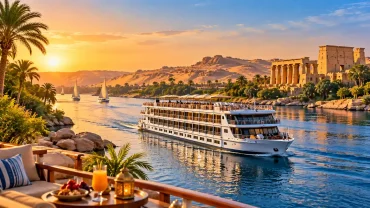
Alacart's current Nile portfolio includes classic cruises, luxury cruise programs and Dahabiyas. Its current descriptions emphasize temples such as Karnak, Edfu, Kom Ombo and Abu Simbel, together with traditional sailing and Upper Egypt scenery.
Nile Cruise
A structured way to connect major archaeological stops while combining accommodation and river travel in one route.
Dahabiya
A traditional sailing format for travelers who want the river landscape itself to remain central to the cultural experience.
Explore Dahabiya CruisesLuxury Cruise
A higher-comfort river option when the itinerary places more emphasis on onboard accommodation and service.
View Luxury CruisesAdd Aswan for Nile Landscapes and Nubian Heritage
Aswan adds a different cultural dimension to an Egyptian history itinerary. Alongside Philae and the southern Nile landscape, the region connects the history of ancient Egypt with Nubian heritage and the geography of the First Cataract.
The current Alacart Aswan guide highlights Philae, felucca sailing, Elephantine, Nubian heritage and Abu Simbel as possible experiences, and recommends around two full days for many first-time visitors, with an additional day when Abu Simbel is included.
When building the southern section, explore the Aswan destination program and decide whether your itinerary should emphasize archaeology, Nubian culture, sailing or a combination.
Extend the History Beyond Pharaonic Egypt With Alexandria
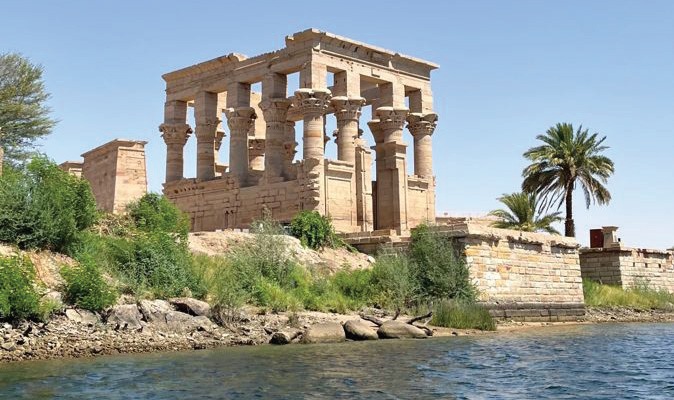
Travelers with additional time can extend the historical narrative to Alexandria, where the story moves into Egypt's Mediterranean and Greco-Roman chapters. This adds a useful contrast to Giza and Luxor because the architecture, geography and historical influences are different.
The current Egypt attractions guide places Alexandria alongside other regional experiences including Cairo, Giza, Luxor, Aswan, the Red Sea and the desert. It also recommends avoiding an itinerary that tries to cover too many distant regions in a short trip.
Historical & Cultural Tours: Route Structures to Compare
The right route depends on how much historical depth you want and how many destinations your schedule can realistically support. These structures are planning frameworks rather than fixed packages.
Tour style |
Possible route |
Historical focus |
|---|---|---|
Ancient Egypt
|
Cairo + Giza + Saqqara + Luxor
|
Pyramids, royal tombs, temples and the development of pharaonic architecture.
|
Classic History
|
Cairo + Giza + Luxor + Aswan
|
Build a broad historical route from the pyramid landscape to southern Egypt.
|
Nile Heritage
|
Cairo + Nile Cruise + Luxor + Aswan
|
Connect monuments through the river landscape that linked Upper Egypt.
|
Multi-Era
|
Cairo + Coptic / Islamic Cairo + Alexandria + Luxor
|
Combine pharaonic, Christian, Islamic and Mediterranean historical layers.
|
Deep Cultural
|
Cairo + Luxor + Nile + Aswan + selected extension
|
Prioritize historical depth while adding Nubian, museum or later-period experiences.
|
Match the Historical Tour to Your Main Interest
Temples, Tombs and Excavated Landscapes
Focus on Giza, Saqqara, Luxor and Aswan when the primary goal is to study monuments and archaeological sites in depth.
Objects, Collections and Historical Context
Add museum time when you want to understand objects, royal life, religion, craftsmanship and everyday society alongside the monuments.
Religious and Urban History
Include Coptic Cairo, Islamic Cairo, markets and historic neighborhoods to extend the itinerary beyond Ancient Egypt.
How to Plan an Egyptian History Tour Without Overloading the Trip
Historical travel rewards depth, but Egypt covers a large geographic area. The current Alacart Egypt attractions guide specifically advises travelers not to underestimate travel distances and recommends grouping Cairo sites, Luxor banks and Aswan excursions logically.
Choose the Historical Themes
Decide whether pyramids, New Kingdom history, museums, Christian heritage, Islamic Cairo or Nubia should receive the most attention.
Select the Regions
Build the core around Cairo and Giza, Luxor and Aswan before considering additional regions.
Group the Sites
Keep East Bank and West Bank sights together in Luxor and group nearby Cairo experiences to reduce unnecessary transfers.
Add the Right Guide
Use guided touring when detailed historical explanation is an important part of why you are visiting the sites.
- Choose your main historical period
- Decide how much museum time you want
- Confirm the number of days available
- Group Cairo and Giza attractions logically
- Separate Luxor East Bank and West Bank visits
- Confirm Nile embarkation and disembarkation
- Allow time for Aswan and any Abu Simbel extension
- Decide whether Alexandria fits the schedule
- Review entrance arrangements before travel
- Check current opening hours shortly before visiting
Make the Historical Route More Personal With a Tailor-Made Program
Not every traveler wants the same historical emphasis. One itinerary may spend more time on royal tombs and temples, while another may give greater space to museums, Christian heritage, Islamic Cairo or the Greco-Roman period.
Alacart Travel Egypt currently separates Private Tours, Egypt Tour Packages, Day Tours and Tailor-Made Tours within its wider travel structure. For travelers who want to alter the number of nights, destinations or pace, the Tailor-Made Tours service provides a direct route for discussing those changes.
A focused Egypt Day Tour can also be added when you already have accommodation and only want one specific historical experience.
What to Have Ready Before Requesting the Tour
A detailed request makes it easier to build a historical itinerary that reflects your interests rather than a generic checklist. Share the number of travelers, dates, arrival city, preferred accommodation level and the periods or places you most want to understand.
- Travel dates
- Number of travelers
- Arrival and departure cities
- Preferred hotel category
- Must-see archaeological sites
- Museums you want included
- Interest in Coptic or Islamic heritage
- Interest in a Nile cruise or Dahabiya
- Interest in Nubian culture
- Desired amount of free time
Frequently Asked Questions About Historical & Cultural Tours
What are Historical & Cultural Tours in Egypt?
They are Egypt travel itineraries built around historical sites, museums, religious heritage, architecture, archaeology and cultural experiences rather than only sightseeing from one attraction to another.
What destinations are important for Egyptian History Tours?
Cairo and Giza, Luxor and Aswan form the main historical core for many itineraries. Depending on the available time, travelers can also add Alexandria, Saqqara, Abu Simbel or other cultural extensions.
Can Egyptian History Tours include museums?
Yes. Museum visits can add context to the archaeological sites by explaining objects, royal life, beliefs, craftsmanship and other aspects of Egyptian history.
Can I combine Coptic and Islamic Cairo with Ancient Egypt?
Yes. Cairo can be structured to include Giza and pharaonic heritage alongside Coptic and Islamic historical districts.
Can a historical tour include a Nile cruise?
Yes. A Nile cruise or Dahabiya can connect Luxor, Edfu, Kom Ombo and Aswan while making the river landscape part of the cultural experience.
Can the itinerary focus more deeply on archaeology?
Yes. The route can prioritize archaeological destinations and allocate more time to the sites that match your interests, subject to the available days and confirmed travel arrangements.
Plan Historical & Cultural Tours Around the Egypt You Want to Understand
Tell Alacart Travel Egypt which periods, museums, temples, historic districts and destinations interest you most. The itinerary can then be organized around the historical story you want to follow, from Giza and Cairo to Luxor, the Nile, Aswan and other cultural extensions.

Comment (0)