

 English
 Français
Things to Do in Siwa Oasis: 10 Unmissable Experiences
Discover salt lakes, ancient oracle temples, natural springs, desert adventures and the distinctive culture of Egypt’s remote western oasis.
The best things to do in Siwa Oasis combine nature, history, relaxation and local culture. Set among palm groves and freshwater springs near Egypt’s western border, Siwa feels very different from Cairo, Luxor and the Nile Valley. Its salt lakes, mud-brick architecture and surrounding dunes create a destination worth exploring slowly.
This guide focuses on the experiences that define Siwa, from the Oracle Temple and Shali Fortress to desert sunsets and traditional food. Use it alongside our practical Siwa Oasis travel tips when planning transport, clothing and your daily schedule.
Historic Places to Visit in Siwa
Walk Through Shali Fortress
Shali is the historic heart of Siwa. The old fortified settlement was built from kershef, a local mixture of salt, mud and clay. Walk through its winding passages, observe the restored sections and climb to viewpoints overlooking the modern town, palm groves and distant desert.
Visit the Oracle Temple of Amun
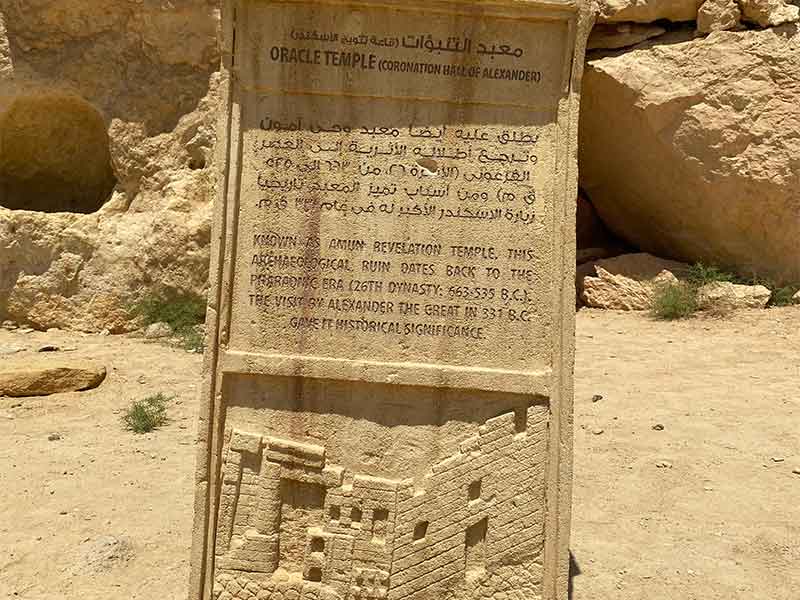
At Aghurmi, the Oracle Temple preserves one of Siwa’s most important ancient sites. Its fame is closely associated with Alexander the Great’s journey to consult the oracle. Allow time to examine the surviving walls and appreciate the elevated view over the oasis. Read our detailed Oracle of Amun guide for more historical context.
Explore the Mountain of the Dead
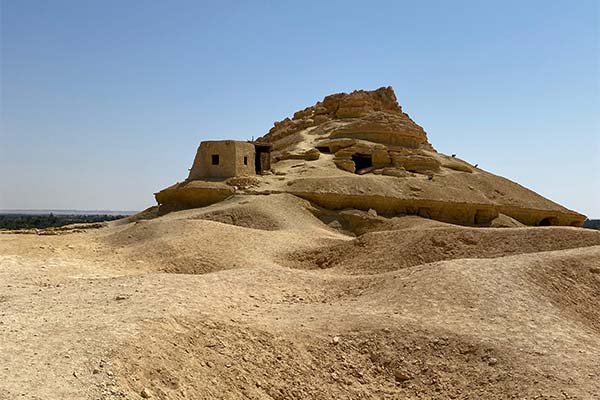
Gebel al-Mawta contains rock-cut tombs from different periods of Egyptian history. Several accessible tombs preserve painted decoration, while the hill itself offers a broad view of the oasis. Follow local access instructions and never touch painted or carved surfaces.
See the Temple of Umm Ubayd
Only part of this once-important temple survives, but the site helps visitors understand the wider sacred landscape around the Oracle Temple. It works best as a short combined stop rather than a standalone excursion.
Salt Lakes, Springs and Relaxation
Float in Siwa’s Salt Lakes
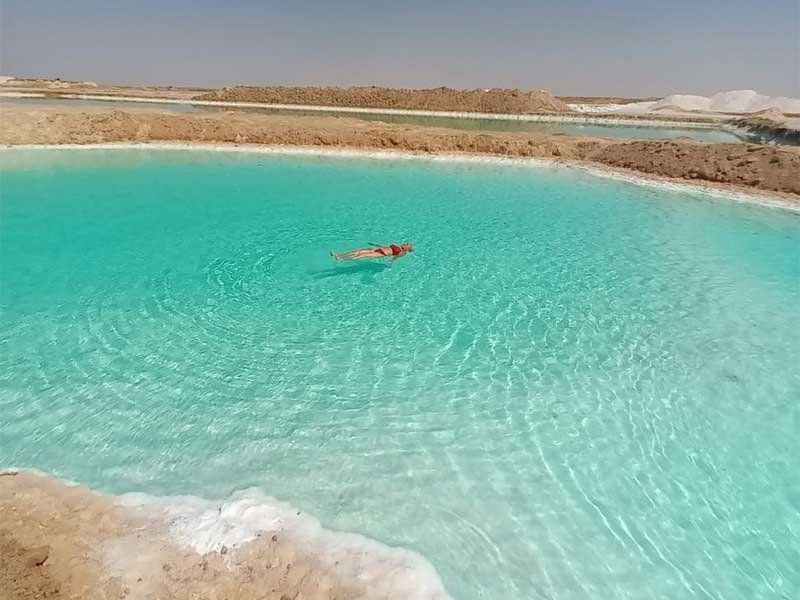
The intensely saline lakes are among the most photographed Siwa Oasis attractions. Their buoyant water creates an unusual floating experience, but conditions vary by location and season. Go with local guidance, avoid entering with fresh cuts, keep the water away from your eyes and rinse with fresh water afterward.
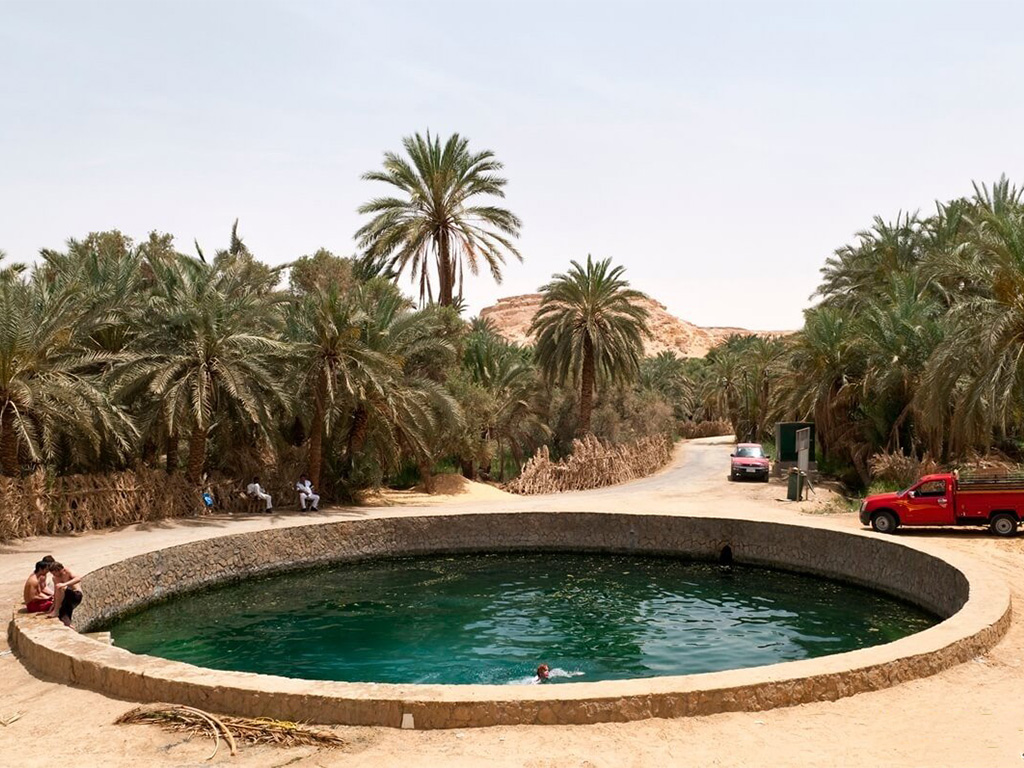
Swim at Cleopatra’s Spring
This circular, spring-fed pool is a popular stop near the town. It is valued more for atmosphere and local life than for solitude, with cafés and small shops nearby. Dress respectfully outside the water and check local conditions before swimming.
Watch Sunset at Fatnas Island
Fatnas is a relaxed sunset spot on the edge of a lake west of town. Arrive before golden hour, choose a seat among the palms and watch the colors change over the water and distant dunes. It can be combined with nearby springs during an afternoon route.
Experience Dakrour Mountain
Gebel Dakrour is known locally for views and traditional hot-sand treatments practiced during the hottest months. Treat wellness claims cautiously, discuss health concerns with a qualified professional and use an experienced local provider if you choose to participate.
Adventure in the Great Sand Sea
Take a Guided Desert Safari
A licensed local excursion into the Great Sand Sea can combine sweeping dunes, fossil areas, remote springs and sunset views. Routes and access permissions can change, so confirm the exact itinerary, vehicle, safety equipment and permit arrangements with your operator before departure.
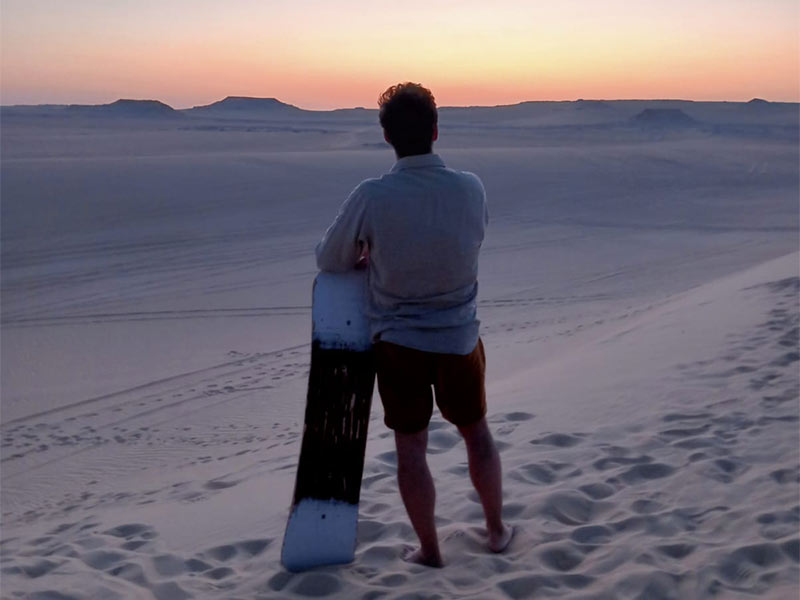
Try Sandboarding or a Desert Camp
Sandboarding adds a playful stop to a dune excursion, while an organized evening camp offers a quieter way to experience the desert sky. Choose responsible operators who remove waste, avoid disturbing wildlife and keep vehicles on permitted routes.
Discover Siwan Culture, Food and Crafts
Not every memorable activity requires a vehicle. Spend time in Siwa town, browse small workshops and look for locally made embroidery, palm products, pottery and silver-inspired jewellery. Ask before photographing people or private workspaces, and buy directly from artisans when possible.
Local dates and olives are central to the oasis economy and make practical souvenirs. Restaurants may serve regional dishes alongside familiar Egyptian food; availability varies, so ask what has been prepared locally that day. A slower cultural visit creates a better connection with Siwa than treating the town only as a base for sightseeing.
How to Plan Your Siwa Oasis Itinerary
Time available | Suggested plan | Best for |
|---|---|---|
Two days | Shali, Oracle Temple, Cleopatra’s Spring, salt lakes and Fatnas sunset | Essential highlights at a brisk pace |
Three days | Add Mountain of the Dead, Umm Ubayd and a guided Great Sand Sea excursion | First-time visitors |
Four days | Add Dakrour, crafts, cycling or a slower village and palm-grove day | Culture, relaxation and photography |
Practical Tips Before Visiting Siwa
Allow for the journey
Siwa is remote. Road travel from Cairo is long, so avoid planning major sightseeing immediately after arrival or before departure.
Carry useful essentials
Bring sun protection, drinking water, comfortable footwear, modest clothing, swimwear, a towel and cash for smaller local purchases.
Respect the oasis
Siwa has conservative local customs. Dress respectfully in town, ask before taking portraits and avoid leaving waste at lakes or desert stops.
Verify changing details
Opening hours, ticket rules, road conditions and desert permits can change. Reconfirm them shortly before your visit.
For a wider route, compare Siwa with the other destinations in our guide to Egypt attractions and places to visit, or explore the site’s desert and safari experiences.
Frequently Asked Questions About Siwa Oasis
How many days do I need in Siwa Oasis?
Three to four nights work well for most first visits. This allows time for the main archaeological sites, salt lakes, springs, a sunset stop and one guided desert excursion without rushing.
Is Siwa Oasis worth visiting?
Siwa is especially rewarding for travelers interested in desert landscapes, local culture, small archaeological sites and slow travel. Its remote location means it is better treated as a dedicated extension rather than a quick day trip.
Can I visit Siwa from Cairo in one day?
No. The overland journey is too long for a practical day trip. Plan at least two full days in the oasis in addition to travel time.
Can visitors swim in Siwa’s salt lakes?
Swimming is popular in selected salt lakes, but conditions vary. Use local guidance, avoid the water if you have cuts, protect your eyes and rinse with fresh water afterward.
Do I need a guide in Siwa?
A guide is helpful for historical context and local logistics. A qualified operator is particularly important for Great Sand Sea excursions, where routes, permits and safety planning matter.
What should I wear in Siwa?
Choose lightweight, modest clothing for town and archaeological sites, plus sun protection and comfortable shoes. Carry a warmer layer for cool desert evenings and separate swimwear for springs or lakes.
What is the best time to visit Siwa?
The cooler months are generally more comfortable for sightseeing and desert excursions. Summer heat can be intense, so check seasonal conditions and plan outdoor activities accordingly.
Is mobile payment widely accepted in Siwa?
Do not rely entirely on cards or mobile payment. Carry enough Egyptian pounds for small shops, cafés, local transport and incidental expenses.
Plan a Tailor-Made Siwa Journey
Combine Siwa’s ancient sites, salt lakes, springs and desert landscapes in an itinerary paced around your interests and available time.
Create Your Egypt Itinerary