

 English
 Français
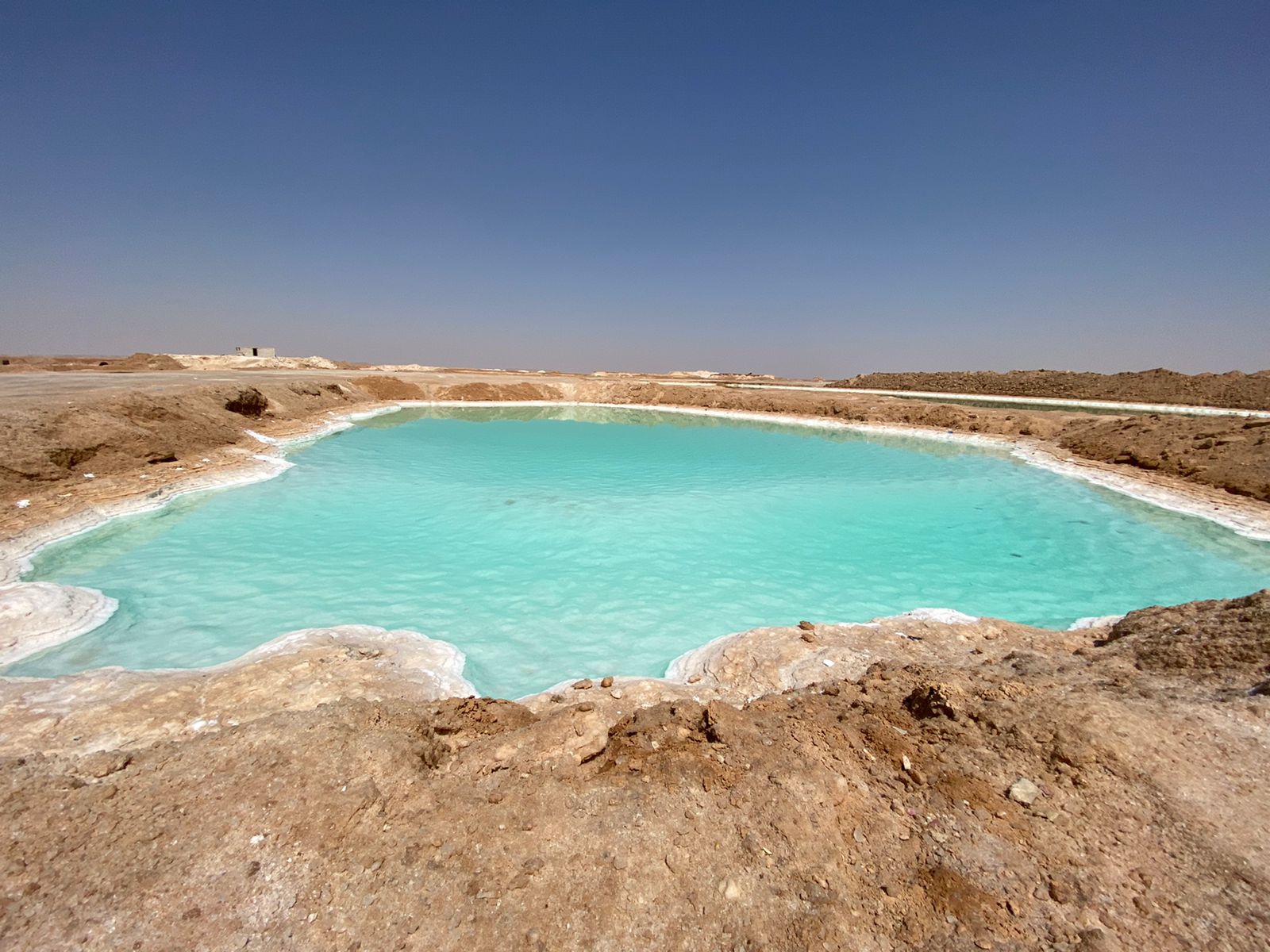
Siwa Oasis Travel Tips: 7 Things to Know Before You Go
Planning a trip to Siwa is different from planning a few days in Cairo or Luxor. The oasis is remote, culturally distinctive and surrounded by salt lakes, palm groves and the Great Sand Sea. These Siwa Oasis travel tips will help you choose the right season, prepare for the road journey, respect local customs and make better use of your time once you arrive.
Before You Visit Siwa Oasis
Siwa is one of Egypt’s most distinctive desert destinations. Official Egyptian tourism information highlights its salt lakes, palm and olive groves, hot springs, archaeological remains and access to the Great Sand Sea. Its isolation has also helped preserve a strong local cultural identity that differs from Egypt’s larger cities.
That combination is exactly why a little preparation matters. Transport takes time, desert temperatures can change sharply between day and night, and many of Siwa’s best experiences are easier when you understand local customs before arriving.

7 Essential Siwa Oasis Travel Tips
Choose the Right Season for Desert Weather
For most travelers, the cooler months from roughly October through April are more comfortable for walking, sightseeing and desert excursions. Summer can be extremely hot, while winter evenings and early mornings may feel surprisingly cool.
- Plan outdoor sightseeing earlier in the day.
- Bring layers if you travel in winter.
- Check the forecast shortly before departure.
Allow Enough Time for the Journey to Siwa
Siwa is remote and the road journey is a significant part of the trip. Avoid building a tight itinerary around your arrival day. Transport schedules, road conditions and travel times can vary, so leave a buffer instead of planning major sightseeing immediately after you reach the oasis.
- Confirm your transport before leaving Cairo or the North Coast.
- Keep water and snacks with you for the road.
- Avoid scheduling a fixed sunset activity too close to your expected arrival.
Respect Siwan Culture and Ask Before Taking Photos
Siwa has its own traditions and an Amazigh-rooted cultural identity. Experience Egypt notes that local tribes maintain their own language and customs alongside Arabic. Dressing modestly in town and asking permission before photographing people are simple ways to travel respectfully.
- Cover shoulders and knees when walking around town and villages.
- Ask before photographing residents, workshops or private homes.
- Support locally owned guides, cafés, craft shops and eco-lodges where possible.
Carry Cash and Prepare for Limited Connectivity
Siwa is not the place to rely entirely on cards, constant mobile data or last-minute digital arrangements. Carry enough Egyptian pounds for meals, small shops, local transport and incidental expenses, while keeping your main funds securely separated.
- Download maps and booking details for offline use.
- Carry small notes for everyday purchases.
- Bring a charged power bank for long days outside town.
Pack for Sun, Salt and Cool Desert Evenings
The same day can include strong sun, swimming in highly saline water and a cool desert evening. A small, practical day bag is more useful than overpacking.
- Hat, sunglasses and high-protection sunscreen.
- Refillable water bottle and comfortable walking shoes.
- Light layer or jacket for cooler evenings.
- Water shoes can be useful around rough salt-crystal edges.
Use Local Expertise for Great Sand Sea Excursions
The Great Sand Sea is one of Siwa’s signature landscapes, but it is very different from walking around the oasis town. For dune trips, desert camps or routes away from established roads, use an experienced local operator or guide who understands current access conditions and the desert environment.
- Confirm exactly what your desert excursion includes.
- Take sufficient drinking water.
- Follow local advice on route and weather conditions.
Slow Down: Siwa Works Better With a 3–4 Day Itinerary
Siwa is not only a checklist of attractions. Its appeal comes from moving between Shali’s historic lanes, palm groves, springs, salt lakes and desert landscapes without spending the whole day in a vehicle. For many travelers, three to four days gives a much better balance than trying to see everything in one rushed overnight stay.
If you want more activity ideas beyond these planning tips, see our guide to things to do in Siwa Oasis.
Places to Include in a First Siwa Itinerary
Place or experience |
Why include it |
Planning note |
|---|---|---|
Shali |
Historic fortified settlement built with traditional salt-rich mud material |
Good for walking and understanding Siwa’s local architecture |
Salt Lakes |
One of Siwa’s most recognizable natural experiences |
Bring water shoes and rinse off salt afterward when possible |
Cleopatra’s Spring |
A well-known natural spring surrounded by palm groves |
Pair it with nearby cultural or archaeological stops |
Temple of the Oracle |
One of Siwa’s key ancient sites, traditionally associated with Alexander the Great |
Visit with context rather than treating it as a quick photo stop |
Great Sand Sea |
Large-scale dune landscape beyond the oasis |
Best explored with experienced local guidance |
Fatnas |
Popular for relaxed views and sunset atmosphere |
Leave enough time before sunset rather than arriving at the last minute |
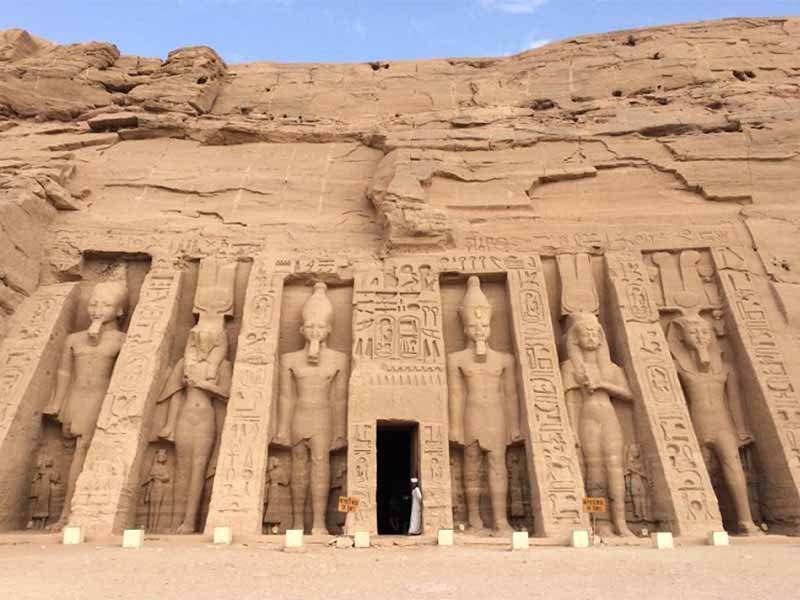
Siwa can also be combined with other major heritage destinations in a longer Egypt itinerary. The image below is a general Egypt heritage image from the site’s own WordPress Media Library, not a photograph of the Oracle Temple.
For deeper historical context around Amun and Siwa’s ancient religious landscape, read our Oracle of Amun guide.
What to Pack for Siwa Oasis
- Passport or ID and booking confirmations
- Egyptian pounds in useful denominations
- Offline maps and saved accommodation details
- Power bank and charging cable
- Sunscreen, sunglasses and hat
- Light jacket or warm layer in cooler months
- Comfortable closed shoes or walking sandals
- Water shoes for salt-lake areas if needed
- Reusable water bottle
- Personal medication and basic travel essentials
Useful Siwa Guides on Alacart Travel Egypt
Frequently Asked Questions About Visiting Siwa
What is the best time to visit Siwa Oasis?
October through April is generally the most comfortable period for outdoor sightseeing. Winter days can be pleasant, but evenings may be cool, so bring layers.
How many days do you need in Siwa?
Three to four days works well for many first-time visitors because it gives you time for the oasis town, archaeological sites, salt lakes and at least one desert-focused experience without rushing.
Is Siwa worth the long journey?
For travelers interested in desert landscapes, local culture, salt lakes and a slower side of Egypt, Siwa offers a very different experience from Cairo, Luxor or the Red Sea resorts.
Do I need cash in Siwa?
It is sensible to carry Egyptian pounds because smaller businesses and local services may not always accept cards. Do not rely on finding a working ATM exactly when you need one.
What should I wear in Siwa Oasis?
Lightweight, modest clothing is practical. Covering shoulders and knees in town is respectful, while a hat, sunglasses and sun protection are useful for daytime sightseeing.
Can you swim in the Siwa salt lakes?
Swimming or floating in the salt lakes is a popular experience. Follow local guidance on suitable access points, avoid getting the highly saline water in your eyes and rinse off afterward when possible.
Should I book a guide for Siwa?
You can explore parts of town independently, but local guidance is especially useful for desert excursions and for understanding Siwa’s archaeological sites, culture and landscape.
Plan a Better Siwa Oasis Trip
Want to include Siwa in a wider Egypt itinerary without rushing the journey? Alacart Travel Egypt can help organize a private route around your dates, interests and preferred travel pace.