

 English
 Français
Egypt Family Travel Safety: 12 Tips for a Safer Trip
Traveling to Egypt with children can be rewarding when the itinerary is realistic and the practical details are planned in advance. These Egypt family travel safety tips focus on what families can actually control: official travel advice, transport, heat, food and water, crowded places, health preparation, communication and emergency planning.
Is Egypt Safe for Family Travel?
There is no useful one-word answer for an entire country. Egypt contains established tourism destinations such as Cairo, Giza, Luxor, Aswan and Red Sea resorts, while official travel advisories also identify particular regions where risks and restrictions are higher.
For a family, the sensible approach is to check the advisory issued by your own government, stay within the areas covered by your itinerary, use reputable transport and excursion providers, and re-check local conditions before any remote desert or regional trip.
12 Practical Tips for Staying Safe in Egypt With Family
Check Official Travel Advice Before You Build the Route
Review your government’s Egypt travel advisory before booking and shortly before departure. Pay attention to region-specific warnings rather than reading only the country headline.
- Check whether your travel insurance remains valid for every destination.
- Re-check advice before desert, border or Sinai travel.
- Follow local-authority instructions if conditions change.
Build a Family Itinerary With Recovery Time
Cairo traffic, early temple visits, long intercity drives and hot outdoor sites can become exhausting when several demanding days are placed back-to-back.
- Limit the number of major sites in one day.
- Add hotel or pool time for younger travelers.
- Avoid scheduling a long transfer immediately after a full sightseeing day.
Choose Accommodation for Logistics, Not Only the Star Rating
For families, location can be as important as luxury. Ask about connecting rooms, lifts, breakfast timing, pool supervision, cribs and the actual driving time to the attractions you plan to visit.
- Confirm child-bed or crib arrangements in writing.
- Check whether late arrivals can still access food or room service.
- Keep passports and valuables in a secure place.
Plan Outdoor Sightseeing Around Heat and Sun
Heat can turn an otherwise easy archaeological visit into a difficult family day. Prioritize exposed sites earlier in the morning, carry enough drinking water and use sun protection suitable for each family member.
- Use hats, sunscreen and breathable clothing.
- Schedule shade or air-conditioned breaks.
- Watch children and older relatives for signs of overheating.
Remote Destinations Need More Planning Than City Sightseeing
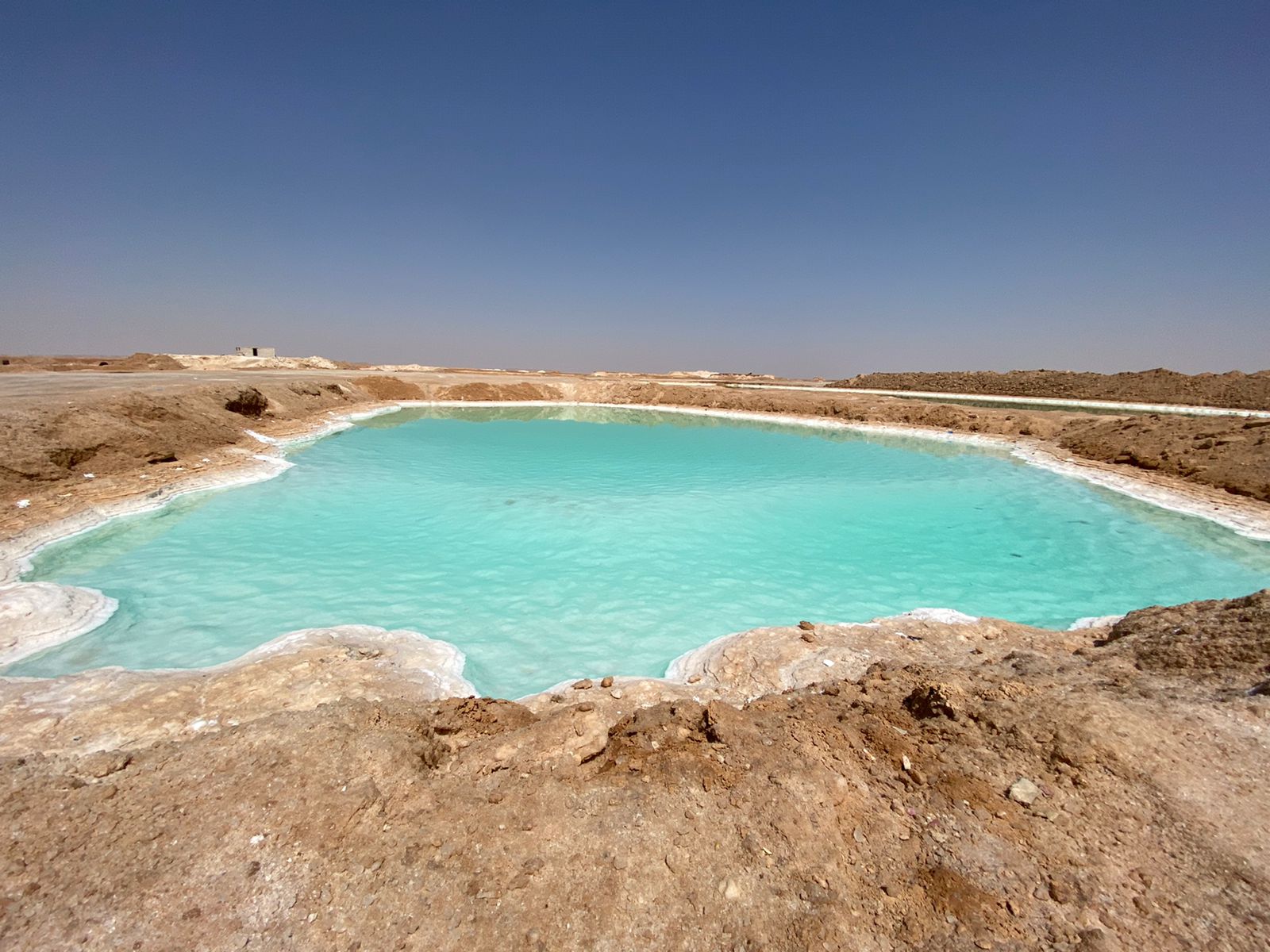
Family travel becomes more logistically demanding when a route includes desert areas, remote oases or long road journeys. Confirm the operator, vehicle, water supply, communication plan and current access conditions before departure.
Do not assume that the same transport plan you use inside Cairo is suitable for a remote desert excursion.
Use Reliable Transportation and Request Child Seats Early
For family transfers, arrange transport through a reputable hotel, licensed travel provider or established service. If a child seat is required, request it in advance rather than assuming the vehicle will automatically carry one.
- Use seat belts whenever available.
- Share the route or driver details when appropriate.
- Build extra time into Cairo transfers because traffic is unpredictable.
Create a Family Plan for Crowded Attractions
Busy markets, museum entrances, transport terminals and major archaeological sites can make it easier for family members to become separated.
- Agree on a visible meeting point at each major site.
- Keep younger children close in dense crowds.
- Give children an emergency contact card if age appropriate.
Respect Local Customs and Active Places of Worship
Modest dress is a practical choice at mosques, churches and conservative local areas. Religious sites may have additional requirements, including removing shoes or covering shoulders and knees.
- Ask before photographing people closely.
- Give worshippers space during services and prayer.
- Prepare children for site-specific etiquette before entering.
Keep Food and Water Choices Simple
Families can reduce avoidable stomach problems by choosing clean, busy restaurants, drinking sealed water when appropriate and being more cautious when a child has a sensitive stomach or specific dietary needs.
- Carry familiar snacks on long sightseeing days.
- Check food allergies clearly before ordering.
- Judge food choices by hygiene and individual risk rather than assuming every street-food option is the same.
Long Excursions Need Water, Rest Stops and Realistic Timing
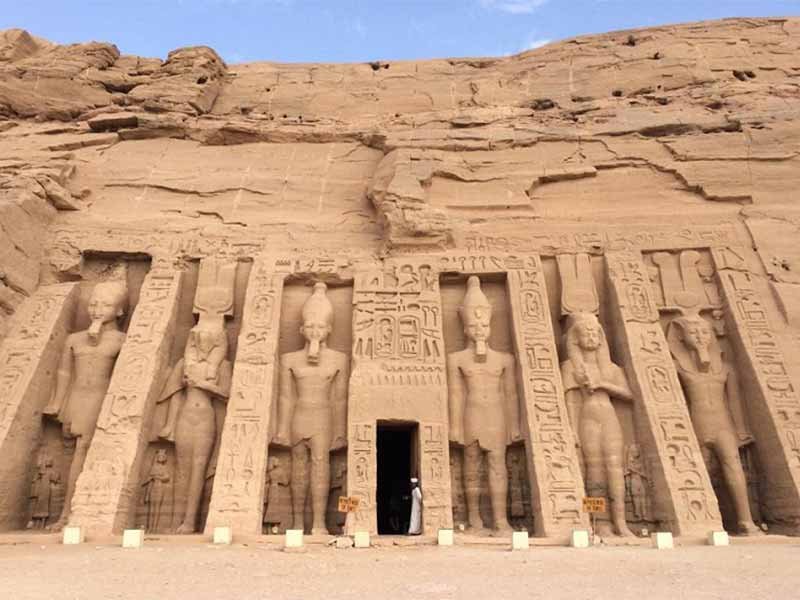
Sites such as Abu Simbel can involve very early departures and long road journeys. For families, the question is not only whether the attraction is worth visiting but whether the day works for the age, sleep schedule and comfort needs of everyone traveling.
Ask about departure time, driving duration, toilet stops, breakfast arrangements and the expected time back at the hotel before booking.
Prepare for Health Needs Before Departure
Do not rely on a generic travel article for vaccination or medication decisions. Check current guidance from your national travel-health authority and speak with a qualified healthcare professional when individual medical advice is needed.
- Carry enough prescription medication for the whole trip.
- Keep essential medicines in accessible hand luggage.
- Consider travel insurance that covers medical treatment and the activities on your itinerary.
Avoid Demonstrations and Unplanned Large Gatherings
Official travel advice recommends avoiding political demonstrations and protests. If a large gathering develops unexpectedly, change your route and follow instructions from local authorities or your accommodation/provider.
Keep Communication Simple if Someone Gets Separated
Save accommodation details offline, keep key phone numbers on more than one device and make sure older children know the hotel name and how to reach a parent or guardian.
- Use offline screenshots of bookings and hotel addresses.
- Carry a power bank on long days.
- Agree on a meeting point rather than relying only on mobile coverage.
Save Emergency Numbers Before You Need Them
Keep Egypt’s emergency numbers, your insurer, travel provider and your embassy or consulate details in both your phone and a printed or offline note.
Emergency Numbers in Egypt
Service |
Number |
Family planning note |
|---|---|---|
Police |
122 |
Save it in each adult traveler’s phone. |
Ambulance |
123 |
Also save your insurer’s emergency-assistance number. |
Fire |
180 |
Keep the hotel name and address available offline. |
Tourist Police |
126 |
Useful for tourist-related assistance and issues. |
Family Travel Checklist Before Leaving the Hotel
- Phones charged and power bank packed
- Water for each family member
- Hat, sunscreen and weather-appropriate clothing
- Essential medication
- Hotel name and address saved offline
- Emergency contact details
- Meeting point agreed for crowded sites
- Transport and pickup location confirmed
- Child seat confirmed when required
- Enough Egyptian pounds for small expenses
Useful Egypt Planning Guides for Families
Cultural preparation can prevent many avoidable misunderstandings. Before your trip, read our tipping culture in Egypt guide and our guide to public holidays and celebrations in Egypt so you know when services, traffic and local routines may change.
If your family plans an evening in Cairo, the Egypt nightlife and Nile cruise guide can help you choose a calmer evening experience instead of overloading the sightseeing schedule.
Frequently Asked Questions About Egypt Family Travel Safety
Is Egypt suitable for a family trip with children?
Many families visit established tourism destinations in Egypt, but suitability depends on the current travel advice, your route, the age and needs of your children, and how the trip is organized. Check official regional guidance before traveling.
Which Egypt destinations are easiest for a first family trip?
Cairo/Giza, Luxor, Aswan and established Red Sea resort areas have extensive tourism infrastructure. The best choice still depends on current travel advice and the pace your family can comfortably manage.
Should families use a private driver in Egypt?
Private transport can make family logistics easier, particularly for airport transfers, long sightseeing days and travelers who need child seats. Use a reputable provider and confirm vehicle requirements before the trip.
How can children handle the heat at Egyptian archaeological sites?
Schedule exposed sites earlier, bring water and sun protection, take regular breaks and reduce the number of major outdoor attractions on very hot days.
Do families need special vaccinations for Egypt?
Health recommendations depend on the traveler, itinerary and current official guidance. Check your national travel-health authority and consult a healthcare professional for individual advice.
What should parents do if a child gets separated in a crowded site?
Agree on a meeting point in advance, make sure the child has a parent or guardian contact detail, and ask official site staff or tourist police for help if needed.
What emergency numbers should I save in Egypt?
Current official travel guidance lists Police 122, Ambulance 123, Fire 180 and Tourist Police 126. Reconfirm emergency information before departure.
Plan a Family-Friendly Egypt Itinerary
A good family trip is not about fitting the maximum number of attractions into every day. Alacart Travel Egypt can help build a private itinerary with realistic transfer times, family-friendly pacing and activities that match the ages and interests of your group.